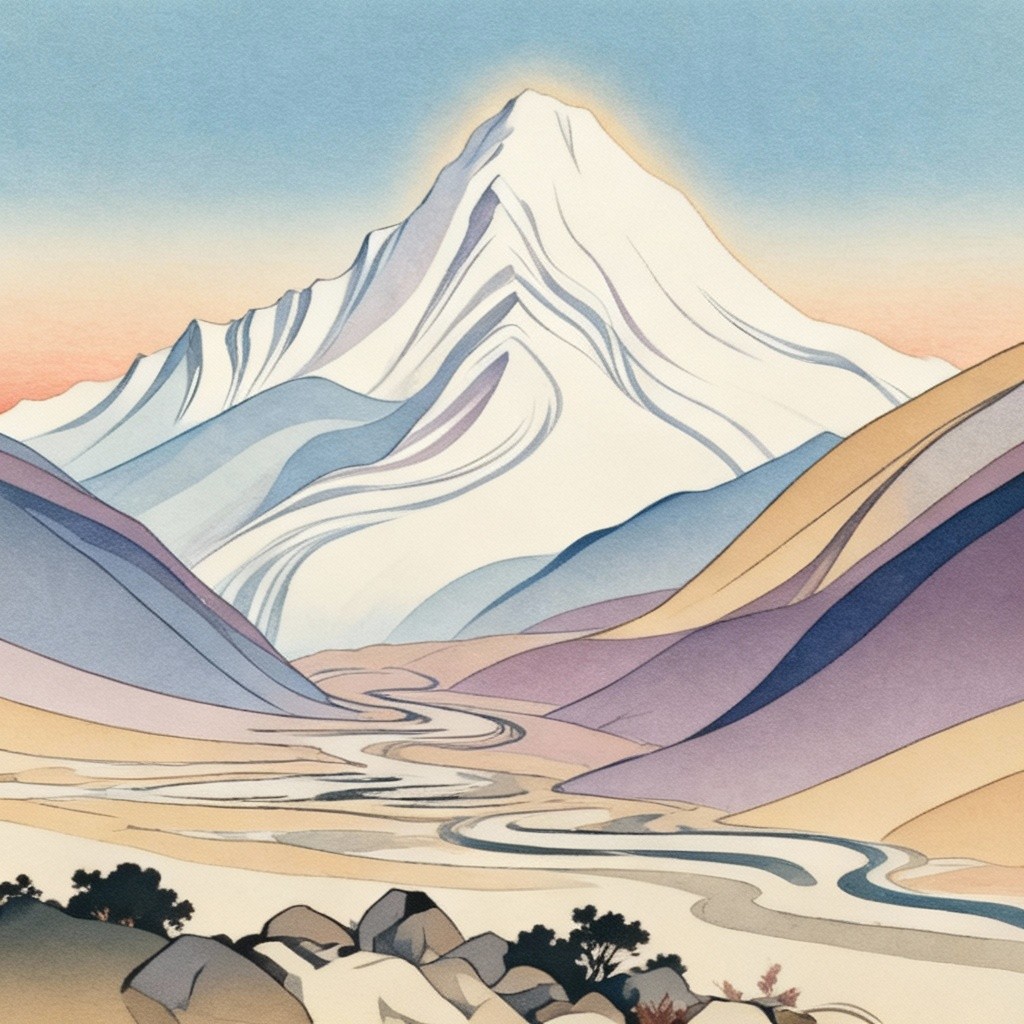
光作為絕對者的第一步
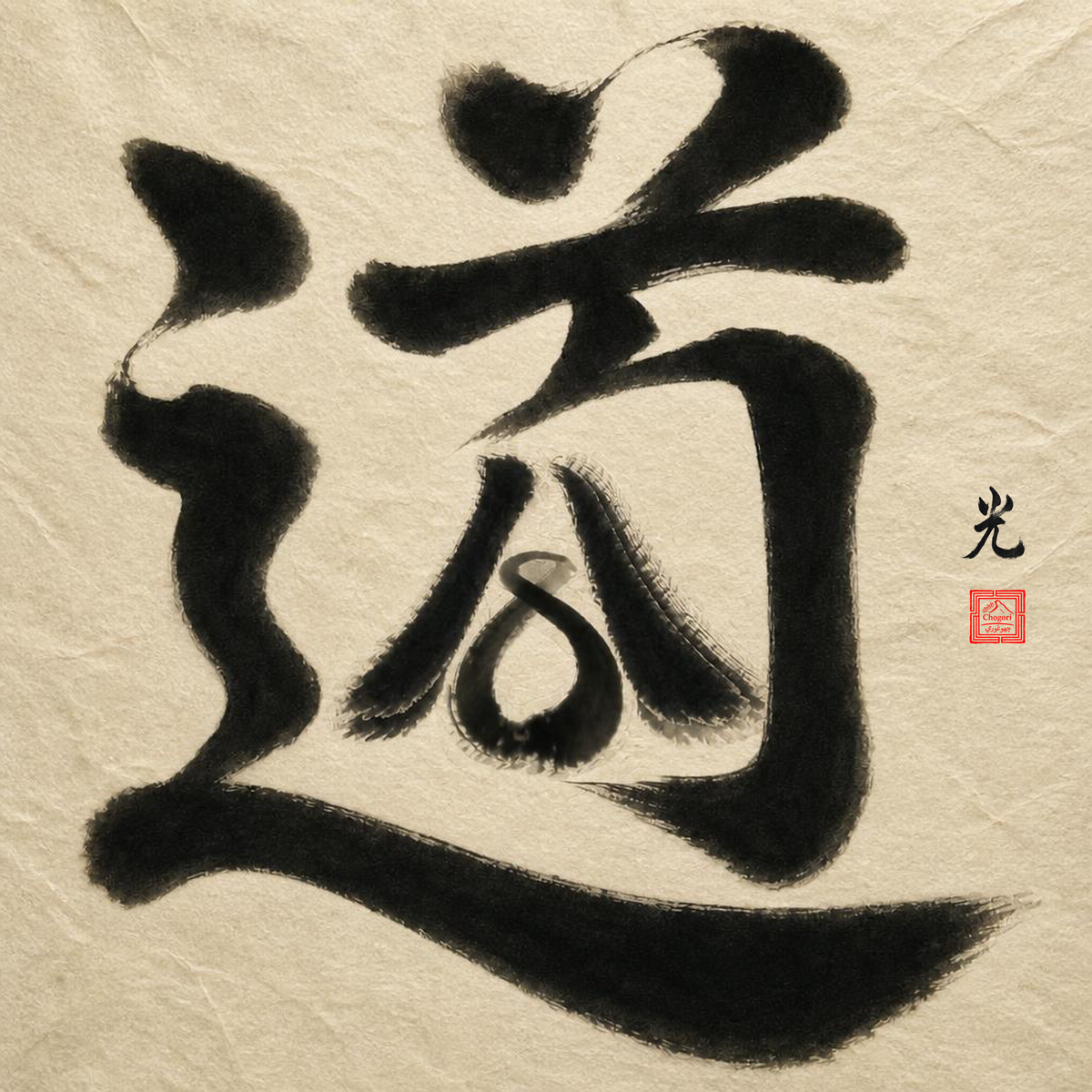
Свет как первый шаг Абсолюта
Об онтологическом статусе света в гностицизме, буддизме, даосизме, физике и традиции световых носителей
Введение: вопрос до космологии
Прежде чем спрашивать, как устроен мир, нужно ответить на более ранний вопрос: что вообще делает устроенность возможной? Что делает различие мыслимым? Что предоставляет саму сцену, на которой позднее смогут появиться любые космологии — от мифологических до научных? Наша система исходит из Абсолюта — Монады, Дао, предельной Нирваны — как предельного основания, лежащего по ту сторону всякой полярности и всякого уже данного множества. Это не ещё один слой бытия, а предел, на котором ломается сама грамматика слоёв. В этой рамке требуется описать первый жест, первое движение: переход от недифференцированной глубины к дифференцированному многообразию, то минимальное событие, после которого слово «мир» вообще начинает что-то значить.
Здесь сразу важно обозначить эпистемологическую рамку. Под целостным мы понимаем не сумму частей и не предел идеального синтеза, а такое состояние, в котором сами части существуют только как узлы поля отношений. Суммативно-рациональное мышление действует через вычленение противоположностей, анализ по осям «теза — антитеза» и последующий синтез. Но такое расчленение уже разрушает то, что пытается понять: связи, динамику гомеостаза, эмерджентные свойства целого. Даже самый изощрённый синтез не восстанавливает целого автоматически, потому что не существует алгоритмической гарантии собрать обратно утраченный континуум связей из набора дискретных противоположностей. Вся дальнейшая конструкция текста строится в полемике с этим плоским дуальным режимом мышления.
Важно уточнить: когда здесь говорится «Абсолют», речь не идёт о скрытой субстанции за миром и не о положительной свабхаве. Это предельное имя для того, что ускользает от самой грамматики различений: предел языка, а не ещё одна вещь; последний горизонт всякого описания, который никогда не становится описываемым объектом. Точно так же формула «свет как первый шаг Абсолюта» не описывает событие во времени и не утверждает буквальную космогонию. Она не конкурирует с физикой, а действует в ином регистре. Это спекулятивная модель: попытка схватить, как недвойственное может быть прочитано как дающее первый след различимости, не переставая при этом оставаться по ту сторону всякой пары.
Тезис этого эссе таков: свет — не поздний физический побочный продукт после Большого взрыва и не поэтическая метафора, заимствованная духовными традициями. Свет — первичный структурный шаг Абсолюта в сторону манифестации, то есть первое условие возможности различения, а не первая вещь во времени. Под светом здесь имеется в виду не субстанция и не фундаментальная энергия, а минимальный оператор различения, первое «между», после которого вообще становится осмысленным говорить: «есть другое». Свет — первый след различимости в самоотношении Абсолюта, первая артикуляция манифестации. Это первое самоопределение, посредством которого запускается процесс самопознания внутри обусловленного мира; и как таковой он структурно предшествует разделению на Плерому и Кеному, на условную Нирвану и Сансару.
Отсюда видно, почему свет в таком понимании принципиально не сводится к сумме своих проявлений — физических, психических, религиозных. Попытка реконструировать свет как целое через перечень его модусов — космологического, гностического, буддийского, даосского, физического — была бы тем самым суммативно-рациональным жестом, который мы критикуем: он берёт целостный оператор различения и рассыпает его по полю оппозиций, теряя саму структуру, делающую эти оппозиции возможными. В этом эссе, напротив, разные регистры берутся не как части будущего синтеза, а как сечения одного и того же целостного хода света.
Свет одновременно выступает границей, делающей различение возможным, и хребтом, удерживающим всю структуру манифестации, — первым следом Абсолюта на стороне проявленного, тем минимальным штрихом, благодаря которому есть что различать и есть кто различает. Абсолют — то, для чего любой выбор языка, включая свет, остаётся произвольным; свет — уже выбор языка, первая карта. И всё же это та карта, без которой никакая другая карта вообще не может быть начертана. Иначе говоря: свет здесь — не единственно возможная карта различения, а привилегированная карта, избранная потому, что именно она проступает во всех исследуемых традициях как первичный структурный оператор и при этом первой же обнаруживает собственную условность.
1. Свет и Большой взрыв: до разделения на Плерому и Кеному
В стандартной космологической модели ранняя Вселенная описывается как сверхплотная плазма чистой энергии: фотоны, кварки, лептоны в состоянии такой температуры и плотности, при котором устойчивая материя ещё не может сформироваться. В терминах современной физики ранняя Вселенная действительно была радиационно-доминированной: излучение первично, а материя возникает как конденсация излучения, а не наоборот. Если Большой взрыв — лишь начало одной конкретной космической манифестации, одного развёртывания самоотношения Абсолюта, а не начало бытия как такового, то свет оказывается первой формой, которую принимает манифестация в данном цикле.
Свет предшествует разделению на Плерому и Кеному не только во времени модели, но и логически: само это разделение есть результат дифференциации света, а не событие, происходящее «до» или «после» него. При этом, говоря о первой форме, которую принимает манифестация, мы не утверждаем существования доэмпирического физического состояния. Мы предлагаем образ, в котором физическая модель ранней Вселенной становится сечением более общей структурной интуиции о световом характере различения.
В этом прочтении свет не принадлежит ни одному из полюсов. Он не свет Плеромы и не свет Кеномы — он среда самого разделения, первый дифференциатор, проведённый внутри недифференцированного. Именно этот первичный свет делает возможными все последующие различия — от физических до онтологических. Поэтому его статус оказывается близок к первому движению Абсолюта: не тождество Абсолюту, а первый след Абсолюта внутри манифестации. Свет — не вещь среди вещей, а минимальное различающее между, без которого ни вещи, ни отношения между ними вообще не могут появиться.
Такое понимание светового начала позволяет переосмыслить привычный дуализм мира света и мира тьмы. Тьма здесь — не положительный второй принцип, а особый режим света: свет, утративший прозрачность к своему основанию, свет в конфигурации самозамкнутости. И если в физике белое и чёрное различаются не по веществу, а по режиму взаимодействия с одним и тем же световым потоком — отражению и поглощению, — то и Плерома с Кеномой различаются как два предельных режима одного светового движения: почти полное отражение и почти полное поглощение.
2. Гностический регистр: София, спинтер и заключённый свет
В гностической космологии «Апокриф Иоанна» и родственные тексты описывают Монаду как чистый и радостный свет или неизмеримый свет. Это не существо, обладающее светом, а принцип, световой по самой своей природе. Плерома как полнота эонов, исходящих из Монады, мыслится как область света, как пространство самопрозрачного сияния, в котором свет знает собственную природу. Кенома — область недостатка и ущербности — возникает тогда, когда свет дробится, оказывается заключённым, забывает своё происхождение и начинает функционировать как замкнутая структура, как квазиавтономный порядок, построенный на утрате истока.
Ключевое понятие здесь — спинтер, божественная искра. Каждый пневматический человек несёт в себе фрагмент монадического света, онтологически неотделимый от источника, но экзистенциально отделённый от него забвением и пленением. Эта искра не возникает внутри Кеномы; она есть результат жеста Софии, которая, действуя самовольно и ошибочно по отношению к порядку Плеромы, всё же внедряет в формирующихся людей свет Плеромы — остаток, несводимый к демиургическим структурам. Искра Софии заключена и искривлена, но не может быть до конца переварена Кеномой; именно она создаёт внутреннее несогласие с чисто кеномическим порядком.
Драматургия гностической космологии — это история света: нисхождение через всё более плотные слои Кеномы, заточение Демиургом, который не понимает, что именно он захватил, и постепенное узнавание и возвращение этого заключённого света. Космическая катастрофа — это не падение вещества, а разворачивание сюжета, в котором свет перестаёт знать себя. В классическом дуалистическом чтении это выглядит как столкновение света и тьмы; в предлагаемой оптике — как столкновение двух режимов света: самопрозрачного и самозамкнутого.
Показательно, что сам Демиург тоже световой: он сформирован из падшего света Софии и использует свет как власть, как инструмент конструирования и господства. Кенома, таким образом, — не тьма как отсутствие света; напротив, она буквально питается светом. Свет здесь не исчезает, а затуманивается и поглощается: расходуется на поддержание структур, удерживающих искру в плену. Свет в Кеноме — это не пустота, а свет, систематически искажённый и пущенный на воспроизводство собственных клеток.
Этот мотив можно уточнить: тьма у гностиков — не второй субстанциальный принцип, а конфигурация света, оторванного от источника и зацикленного на себе. Не существует автономного вещества тьмы; есть свет, который перестал возвращаться к своему основанию и превратился в топливо самоподдерживающихся конструкций. Если ввести мыслительный параметр — коэффициент возвращаемости света к источнику, — то Плерома есть режим, где он максимален: свет почти не захватывается формами, минимально искажается и свободно циркулирует, узнавая свой источник. Это не абсолютная прозрачность, которая была бы неотличима от Абсолюта, а самый чистый доступный режим различения. Кенома — режим, где коэффициент возвращаемости стремится к нулю: почти всё поглощается на обслуживание порядка.
Классический гностицизм формулирует это как радикальный онтологический разрыв между миром света и миром тьмы. В предлагаемой здесь оптике этот разрыв переведён в модальный регистр: речь идёт не о двух разных субстанциях, а о двух режимах одного и того же светового движения — самопрозрачном и самозатуманенном. Различие между Плеромой и Кеномой — не в наличии или отсутствии света, а в режиме его бытия. Плерома — самопрозрачный свет: свет, знающий свой источник и потому свободный. Кенома — самозатуманенный свет: свет, действующий как слепая структурирующая сила и господство, принявший себя за источник и расходующийся на поддержание этого заблуждения. Искра Софии — та точка, где плеромический свет, заключённый в кеномических структурах, сохраняет возможность узнать себя и выйти из режима поглощения.
3. Буддийский регистр: прабхасвара-читта и световая основа ума
В палийском каноне Будда говорит: «Прабхасварам идам, бхиккхаве, читтам» — «Лучезарен, монахи, этот ум», — дополняя это указанием на аггантука-клеши, пришлые загрязнения, не составляющие природу ума. Так формулируется доктрина прабхасвара-читта — ума ясного света, чья лучезарность не произведена практикой, а первична. В тхеравадинской интерпретации эта световая природа связывается с бхаванга-читтой — основосознанием, на которое опирается вся психическая активность. В махаяне тот же принцип принимает форму татхагатагарбхи — зародыша Будды в каждом существе, обозначаемого как пракрити-прабхасвара: лучезарного по самой своей природе. В ваджраяне эта линия достигает предельной интенсивности в понятии ригпа — ясного света осознанности, одновременно основания всего опыта и его конечной природы, раскрывающейся в высшей медитации и в момент смерти.
Структурная параллель с гностическим спинтером здесь почти прямая: и там, и здесь свет — не атрибут, приобретаемый усилием, а исходная природа ума, временно омрачённая неведением, но не уничтоженная им. Сансара в этой перспективе — не зона отсутствия света, а тот же свет, функционирующий в режиме авидьи: свет, не узнающий себя и принимающий собственные проекции за реальность. Омрачения рассматриваются как привходящие, пришлые: они не составляют сущность ума, а лишь затуманивают и используют его свет.
При этом буддийская традиция жёстко различает язык лучезарного ума и окончательную онтологию. В ряде махаянских школ, особенно в мадхьямаке-прасангике, любые утверждения об изначальной световой природе ума трактуются как условный, терапевтический язык: допустимый до тех пор, пока он помогает деконструировать грубое цепляние за я, но не имеющий статуса окончательного описания. В предельном плане и ум, и свет, и природа лишены самобытия; они пустотны и функционируют лишь в силу взаимной соотнесённости.
Следствие таково: Сансара и условная Нирвана сделаны из одного и того же света, но действующего в разных режимах. Сансара — это прабхасвара-читта, не узнанная и переживаемая через цепляние; условная Нирвана — прабхасвара-читта, узнанная и переживаемая как освобождение от цепляния. Нирвана в предельном, мадхьямакинском прочтении Нагарджуны указывает ещё дальше — за пределы самой дуальности светлого и омрачённого ума, к шуньяте, пустотности, по отношению к которой лучезарный ум может мыслиться лишь как первая дифференциация в условном языке описания. Это не ещё более светлый свет, а основание, в котором не требуется ни световая, ни тёмная метафора.
Именно здесь полезно напрямую связать буддийскую критику субстанциального света-ума с общей архитектурой текста. Подобно прабхасвара-читте, которая служит терапевтической картой и в конце концов подлежит сожжению, весь язык этого эссе о свете, Плероме и Кеноме остаётся картой, работающей до тех пор, пока полезен сам жест картографирования. В строгом недуалистическом смысле ни свет, ни ум, ни Плерома не обладают самостоятельным бытием; они — узлы на ленте условного описания, подлежащие распусканию.
Буддийская формула «ум лучезарен, но омрачён пришлыми загрязнениями» делает видимым общий мотив: то, что выглядит как тьма, на деле есть свет в режиме искажения и эксплуатации, а не в режиме простого отсутствия. Сансара — не второй мир, а способ функционирования одного и того же светового основания.
4. Даосский регистр: свет как первая дифференциация и структурный принцип манифестации
В 42-й главе «Дао дэ цзин» сказано: «Дао порождает одно; одно порождает два; два порождает три; три порождает все вещи. Все вещи несут инь и обнимают ян, и через их гармонию достигают равновесия». Эта последовательность космогенеза — не просто счёт. Одно указывает на изначальное единство до дифференциации инь и ян, а два — на первый раскол, который в предлагаемом здесь световом прочтении может быть описан как различение светового и сгущающего: ян — восходящий, проясняющий, световой импульс; инь — нисходящий, конденсирующий, затемняющий. Это авторская интерпретация, а не прямое утверждение самого текста: «Дао дэ цзин» не использует «свет» как ключевой термин и отдаёт очевидную привилегию тёмному, мягкому, неразличённому. Однако ян в даосской традиции устойчиво ассоциируется с ясным, светлым, активным; инь — с тёмным, скрывающим, принимающим — и именно эта структурная соотнесённость позволяет читать первое различение как событие световой природы.
Свет здесь — не просто ян как одна из половин, а сама возможность развёртывания пары, тот первичный всплеск различимости, из которого затем выделяются и светящий, и сгущающий аспекты. При этом первая глава напоминает: «Дао, которое может быть названо, не есть вечное Дао». Свет уже принадлежит сфере именуемого: это первое имя, первое движение внутрь мира, который может быть описан, выделен, противопоставлен. Дао не тождественно свету и не есть свет в высшей степени; Дао — то, что остаётся по ту сторону даже первого различия свет/тьма, то, из чего свет выступает как первый след. В нашей системе Дао занимает место структурного аналога Абсолюта, по отношению к которому свет выступает как первый дифференциатор.
Свет как граница
В даосской космологии ян-импульс очерчивает предел, внутри которого становится возможным различение и удержание форм. Без этого первичного светового движения нет не только конкретных объектов, но и самой сцены, на которой возможно выделение формы и процесса. Свет как граница не ограничивает возможность, а задаёт условия определённости: только внутри некоторого контура различимое вообще может появиться. Современная физическая идея светового конуса подсвечивает эту интуицию: всё, что находится за его пределами, причинно недостижимо и тем самым онтологически несущественно для данной точки пространства-времени. Свет, задающий конус, выступает предельным условием различения «может воздействовать / не может».
Свет как хребет
Ян проходит через всю структуру манифестации как активный, структурирующий позвоночник, а не просто как активный полюс. Инь — принцип восприятия, формы, конденсации; ян — принцип движения, проявления, светового разворачивания. Без ян нет движения; без движения нет манифестации и нет истории различий. В этом смысле весь «Дао дэ цзин» можно читать как инструкцию о том, как мудрец выстраивается относительно двух режимов одного и того же светового принципа — активного и воспринимающего, — не отождествляясь ни с одним из них, потому что сам укоренён в Дао, предшествующем обоим.
Важно добавить, что и чистый ян без инь, и чистый инь без ян потенциально кеномичны. Ян, забывший инь, порождает рационизированное господство, насилие без способности слышать; инь, лишённый ян, порождает вязкий застой, болото, в котором свет перестаёт двигаться. Кеномичность — не характеристика мужского или женского начала; это всякая конфигурация, где баланс ян/инь нарушен: отрыв ян от инь порождает активистски-насильственный режим, отрыв инь от ян — пассивно-застойный.
Дэ как световая пропорциональность формы
Понятие дэ — внутренней силы, добродетели, уместности формы — в этой световой оптике приобретает новый смысл. Дэ — это степень прозрачности формы для её светового основания: форма с высоким дэ не удерживает свет как собственность, а позволяет ему проходить через себя почти без искажений, оставаясь пропорциональной Дао. В терминах введённого параметра коэффициента возвращаемости света дэ означает высокую возвращаемость: минимум присвоения, максимум отражения. Это совпадает с тем, что в нашей системе называется этикой как структурным условием перехода: не набор правил, а такая конфигурация, которая не ломает свет, а проводит его, не разрывая связи с источником.
Тьма в даосизме — не отсутствие, а другой режим
Инь в даосской системе — не враг света и не его отмена; это свет в режиме сгущения, удержания, восприятия. Поэтому даосская мудрость постоянно обращается к женскому, тёмному, водному — не как к отрицанию, а как к контрдвижению того же принципа, позволяющему свету не рассеяться, а воплотиться. Великая пустота, сюй, — не мрак гностического типа, а потенциальная световость: пространство, в котором свет ещё не стал движением, но уже присутствует как возможность этого движения. Это даосское сюй структурно рифмуется с буддийской шуньятой: пустотностью, которая не является отрицанием света, а тем, по отношению к чему свет может выступить как первый жест различения.
С этой позиции Кенома в даосском прочтении — не царство тьмы, а разрыв ян/инь: ян без инь (активность без восприятия) или инь без ян (восприятие без движения). Демиург — это ян-кенома: свет, забывший свою тень; активность, утратившая пустоту; структура, лишённая способности растворяться.
Возвращение как световой цикл
16-я глава «Дао дэ цзин» говорит о возвращении к корню как о покое и о вечном как о результате такого возвращения. В световой интерпретации весь космический цикл — от первой дифференциации, то есть выхода света как первого следа различимости, через усложнение форм, конденсацию света в материю, жизнь, сознание, к возвращению, то есть узнаванию светом своего основания и обратному растворению различий, — описывает дыхание Абсолюта: выдох в манифестацию и вдох в самопознание. Путь мудреца — не бегство от световой Кеномы и не растворение в ней, а согласование с этим ритмом: позволять свету двигаться через себя, не цепляясь за его конкретные формы. Это и есть у-вэй как световой принцип: не гасить свет, не присваивать его, а быть прозрачным для его хода.
Символ тайцзи — круг с взаимопроникающими чёрной и белой каплями — в этом контексте можно прочитать как древнейшую топологическую диаграмму нашей системы. Он уже показывает не два этажа, а одну поверхность с изогнутым швом, внутри которой каждый полюс несёт точку другого.
5. Физический регистр: свет как структурный принцип пространства-времени
Современная физика, оставаясь в иной дисциплинарной рамке, даёт формальные аналоги, созвучные некоторым интуициям метафизики: скорость света (c) выступает не только как скорость фотонов, но и как фундаментальная константа, структурирующая причинную ткань пространства-времени. Без светового конуса нет строгого различия между причиной и следствием, нет устойчивого «до» и «после», а значит, нет истории как упорядоченной структуры событий. В этом смысле c задаёт предельную скорость передачи влияния и тем самым очерчивает саму сцену, на которой становится возможной манифестация различий.
Фотон — квант электромагнитного поля с нулевой массой покоя — существует только в движении и только в отношении, то есть в актах взаимодействия. Он не может лежать или стоять: он всегда посредничество, всегда мост между источником и приёмником, между излучателем и регистрирующей системой. В рамках специальной теории относительности фотону нельзя приписать собственную инерциальную систему отсчёта; в этом смысле о его собственном времени говорят лишь предельно условно. Поэтому физический свет может быть описан как чистое «между», а не как существо с историей. В этом смысле он оказывается почти буквальной моделью света как первого акта различения, предшествующего времени, которое сам же и структурирует.
Эксперименты с двумя щелями и квантовым измерением добавляют ещё один слой. Когда фотоны не измеряются, они проявляют интерференционный рисунок, соответствующий волновому распространению, как если бы проходили через все возможные пути сразу. Когда фиксируется информация о пути, свет проявляет себя как последовательность локализованных событий. Акт измерения, в широком смысле любое взаимодействие, фиксирующее информацию, участвует в определении состояния самого света. Это не означает, что человеческое сознание создаёт фотоны, но указывает на структурную сцепку между световыми процессами и операциями различения и регистрации: свет оказывается неизменно связан с тем, как мир становится определённым.
Даже на уровне классической оптики тот же принцип проявляется в паре белое — чёрное: и белое, и чёрное рождаются из одного и того же светового потока, различаясь не по веществу, а по режиму взаимодействия — отражению и поглощению. Белое не более светло, чем чёрное: оба предельных состояния определяются отношением к одному свету. Так же и Плерома с Кеномой — не два онтологических материала, а два режима одного света Абсолюта. В одном режиме свет почти полностью отражается, минимально удерживаясь формой, — это Плерома. В другом режиме свет поглощается и расходуется на поддержание всё более сложных конструкций, переставая возвращаться к источнику, — это Кенома, превратившая свет в топливо для самозабвения.
Все физические мотивы в этом тексте берутся в их стандартном теоретическом прочтении и используются не как конкурирующая космология, а как иконы: как наглядные фигуры для той же структуры, в которой свет задаёт предельную конфигурацию причинности и самой сцены различения. Физика и метафизика оказываются по разные стороны одной и той же ленты Мёбиуса: с одной стороны — описания квантового поведения света, оптики отражения и поглощения, с другой — описание света как первого шага самопознания Абсолюта, где наблюдение и освещение, поглощение и отражение — два языка одного и того же мотива. Здесь фотон, скорость света и конус причинности — не доказательства метафизики, а модели структурной роли света.
6. Световые носители: Бодхисатвы, Христос и традиция воплощённого света
Если свет есть первый шаг самопознания Абсолюта, то существа, прошедшие полный круг — от глубин Кеномы и Сансары через узнавание к основанию, — должны проявлять свет в особом, структурно отличимом режиме. Именно это и фиксируют религиозные и мистические традиции, описывая фигуры световых носителей: не просто святых, а такие конфигурации сознания, в которых свет уже полностью помнит своё происхождение и действует из него.
Христос как Логос-Свет
В структурном прочтении Христос может быть понят как Бодхисатва: не изначальное плеромическое существо, а тот, кто прошёл первый виток и сознательно вступил во второй ради завершения пути. Пролог Евангелия от Иоанна утверждает: «В начале было Слово (Логос)… В Нём была жизнь, и жизнь была свет человеков. И свет во тьме светит, и тьма не объяла его». Логос — структурирующий принцип реальности — здесь прямо отождествляется со светом, а этот свет определяется как жизненный принцип человеческого сознания.
Воплощение в предлагаемой системе — это самопознание Абсолюта через максимально ограниченную форму, достигшее предельной концентрации: первый шаг Абсолюта — свет, Логос, Христос — принимает на себя полную плотность Кеномы — плоть, страдание, смерть, — не теряя связи с основанием. Здесь не дух спускается в материю в моральной драме, а световой принцип входит в самую плотную конфигурацию забвения, чтобы пройти её изнутри.
Преображение на горе Фавор, когда тело Христа становится лучезарным, в этой оптике — не чудо как нарушение природы, а краткое снятие завесы: явление той световой основы формы, которая всегда присутствовала, но обычно скрыта плотностью Кеномы. Формула «Бог есть свет, и нет в Нём никакой тьмы» встраивается в систему как указание не на более яркий свет, а на Абсолют как чистую самопрозрачность, не нуждающуюся ни в тьме, ни в противопоставлении свет/тьма.
Христос как Бодхисатва — это существо, прошедшее первый виток — Кенома → Плерома — и сознательно избирающее второе рождение в человеческой форме. Он не сын Демиурга и не фигура юридической небесной иерархии, а частный случай общего拓扑ологического движения: из достигнутой Плеромы — обратно, в максимальную плотность человеческой формы как в единственную конфигурацию, где путь к Абсолюту может быть завершён. Поэтому он и не появляется в мире сразу в лучезарной форме, а проходит полный человеческий цикл, включая забвение, страдание и смерть; это принципиально совпадает с общей структурой пути света в данной системе.
Бодхисатва и самбхогакая
В махаяне и ваджраяне полностью пробуждённое существо описывается через три тела — трикаю: дхармакаю, тело реальности, бесформенное и соответствующее предельному основанию; самбхогакаю, тело блаженства, тонкое лучезарное тело, проявляющееся в сфере видения йогинов; и нирманакаю, тело эманации, являющееся в эмпирических мирах. Самбхогакая буквально есть световое тело — форма, в которой Будды и высокие Бодхисатвы проявляются тем, кто способен их воспринять, как чистое сияние сознания.
Авалокитешвара, Манджушри, Амитабха и другие фигуры обозначают не мифических персонажей в наивном смысле, а конфигурации сознания, действующие на уровне лучезарной формы, где прабхасвара-читта полностью узнала себя и превратила свою световую природу в инструмент сострадания. Феномен радужного тела — джалю — в тибетском буддизме, когда, согласно описаниям, тело практикующего в момент смерти растворяется в свете, оставляя лишь волосы и ногти, выступает предельным символическим и, возможно, феноменологическим выражением этого принципа: тело, всегда бывшее светом в состоянии конденсации, прекращает удерживать плотность и возвращается к световому режиму.
Драгоценность человеческого рождения и путь Бодхисатвы
Согласно буддийскому учению о драгоценном человеческом рождении, только человеческая форма сочетает достаточную степень страдания и достаточную ясность ума, чтобы путь мог быть реализован до конца. В нашей системе эта интуиция радикализуется: ни одно существо — ни рождённое в Сансаре, ни пребывающее в Плероме — не завершает путь к Абсолюту — Монаде, Дао, предельной Нирване, — не пройдя через человеческую форму как пространство осознанного насыщения различием.
Боги слишком растворены в блаженстве, чтобы страдание стало для них вопросом; животные слишком погружены в инстинкт, чтобы удерживать длительное вопрошание. Иерархии Кеномы и Плеромы, какими бы высокими они ни были, не обладают тем уникальным напряжением, которое есть у человека: достаточно острой болью, чтобы породить вопрос, и достаточно ясным умом, чтобы удержать его как путь. Поэтому даже тот, кто достиг Плеромы в первом витке, но ощущает топологическую необходимость второго шага, выбирает человеческое рождение как необходимое условие предельного шага. Он не просто спускается — он принимает на себя полный человеческий удел: забвение, поиск, сомнение, страдание и смерть, — чтобы внутри этого опыта осознанно насытиться различием и завершить то, что из Плеромы напрямую было недостижимо. При этом у разных Бодхисатв степень исходной памяти различна: одни почти полностью забывают и вспоминают в процессе, другие рождаются с ясным знанием своей миссии или с устойчивой интуицией: «я пришёл сюда не случайно». Это уже индивидуальный выбор: желает ли Бодхисатва помнить свою роль сразу или предпочитает осознать её изнутри человеческого пути.
7. Топология пути: не вверх и не вниз, а сквозь, через шов
Классические космологии описывают путь сознания вертикальными метафорами: падение вниз и восхождение вверх, ад и рай, низшие и высшие миры. Наша система намеренно снимает эту геометрию и заменяет её топологической: пространство манифестации — не этажная конструкция, а непрерывная поверхность, ближе к ленте Мёбиуса, чем к небоскрёбу. Плерома и Кенома — не два этажа, а два режима одной и той же поверхности: свет, знающий своё основание, и свет, забывший его.
Символ тайцзи уже показывает эту топологию: две капли, светлая и тёмная, не разделены прямой стеной; их граница — изогнутая линия, которая одновременно разделяет и соединяет. Это и есть шов. Более того, в каждой из двух областей присутствует точка противоположного цвета: Плерома несёт в себе зародыш Кеномы, Кенома — зародыш Плеромы. Шов проходит не между ними, а сквозь каждую из них. А сам круг, охватывающий обе половины, — не третий элемент, а то, внутри чего шов вообще возможен: Абсолют, не принадлежащий паре, но удерживающий её.
Падение и восхождение в таком описании перестают быть движением по вертикали и превращаются в два языка описания одного и того же топологического жеста: прохождения сквозь. Свет не спускается и не поднимается — он движется по поверхности к точке максимальной плотности забвения, после которой сама поверхность как бы выворачивается наизнанку. То, что из Плеромы выглядит как нисхождение в Кеному, изнутри Кеномы переживается как восхождение к свету, но в обоих случаях речь идёт об одном и том же непрерывном ходе по недвойственной поверхности.
Шов как точка разворота
Ключевой топологической фигурой здесь выступает шов — место, где Плерома и Кенома сшиты в единую поверхность. Шов — не граница между двумя мирами, а линия, вдоль которой становится видно, что мир один. В момент перехода из Кеномы в Плерому свет проходит именно по шву: он не перепрыгивает пропасть, а движется по тому, что всегда уже соединяло оба режима. Но главное — только в шве открывается возможность Абсолюта как того, что не принадлежит ни одному из режимов и не заслонено ни одним из них.
Изнутри Кеномы Абсолют не виден: он заслонён поглощением и рациональными конструкциями, пожирающими свет. Изнутри Плеромы Абсолют тоже не виден в полной мере: он заслонён самим светом, принятым за окончательное. Только в шве, где ни одна из опор не работает, где свет на мгновение перестаёт быть ни поглощённым, ни отражённым, — только там открывается вид на то, что больше не описывается парой свет/тьма. Это не достижение Абсолюта, а первое подлинное узнавание его возможности: шов — то место, где возникает вопрос, выводящий за пределы обоих режимов.
На человеческом уровне шов переживается по крайней мере в трёх модусах. В теле — как радикальная хрупкость, боль, старение и смерть, то есть предел, где свет сознания встречается с непрозрачностью формы. В языке — как моменты, когда мысль упирается в невозможность сказать, когда парадокс и коан разрывают линейную речь. В отношениях — как столкновение с другим, который не сводится к моим схемам и остаётся непрозрачным, но именно этим вызывает ответственность. Во всех трёх случаях шов — это не особая сфера, а полосы реальности, где привычные карты перестают работать.
Именно поэтому шов оказывается не просто транзитной зоной, а важнейшим узлом всего пути. Прохождение через шов нельзя отменить: увидевший его уже не может вернуться в Кеному как ни в чём не бывало, но и остаться в Плероме как на конечной станции тоже не может. Шов запускает второй виток спирали — движение уже не от Кеномы к Плероме, а от Плеромы к Абсолюту.
Движение как спираль по недвойственной поверхности
С учётом шва движение света описывается не прямой и не кругом, а спиралью по единственной недвойственной поверхности. Первый виток спирали — движение от Кеномы через шов к Плероме: свет в режиме самозабвения проходит через человеческую форму, достигает шва, в котором впервые узнаёт возможность иного, и вступает в Плерому, но всё ещё опирается на различие свет/тьма как на контраст, через который себя понимает. Второй виток — движение от Плеромы через человеческую форму и шов к Абсолюту — Монаде, Дао, предельной Нирване: тот же свет, уже знающий шов, сознательно входит в человеческую форму, проходит через насыщение различием и в новом прохождении через шов обнаруживает, что у поверхности нет края. Там, где ожидались предел или разрыв, обнаруживается лишь отсутствие нужды в карте. Абсолют — не более высокий свет, а то, что остаётся, когда различие свет/тьма больше не поддерживается.
8. Два цикла: рождённый в Сансаре и Бодхисатва из Плеромы
С учётом топологии, шва и драгоценности человеческой формы в нашей системе естественно различаются два класса существ и два цикла пути.
Первый класс — существа, рождённые в Сансаре и Кеноме. Их первая задача — достичь шва и пройти через него в Плерому: привести собственный свет к состоянию узнавания, перестать отождествляться с плотностью забвения. Этот первый цикл — Сансара → шов → Плерома — совпадает с тем, что традиции описывают как освобождение, но в нашей системе это лишь первый порог, а не окончательная станция. Существо, достигшее Плеромы из Сансары, не растворяется в ней окончательно: оно должно созреть в Плероме, накопить не заслуги в моралистическом смысле, а степень ясности, достаточную для того, чтобы увидеть шов не как одноразовый вход, а как постоянную возможность.
Второй класс — Бодхисатвы в точном смысле. Это не изначальные существа Плеромы, а те, кто уже прошёл первый виток: родившись в Кеноме, они достигли Плеромы, условной Нирваны, и полностью узнали свет как своё основание. Но, пребывая в Плероме, они обнаруживают, что сама эта полнота оставляет неутолённым запрос: шов пройден, однако отличие от Кеномы всё ещё определяет их положение, а Абсолют по-прежнему заслонён — теперь уже самим светом. Именно эта топологическая необходимость и побуждает их к следующему шагу.
Они сознательно избирают второе рождение в человеческой форме — то есть возвращение в плотность Кеномы, — проходят через амнезию различной глубины и последующее узнавание, чтобы осознанно насытиться различием и завершить путь к Абсолюту, где отпадает нужда в опоре на любое различие. Их цикл: Плерома, достигнутая в конце первого витка, → человеческая форма → шов как точка разворота → Абсолют.
Таким образом, Бодхисатва — не изначальный житель Плеромы, а плод первого витка, решившийся на второй.
В человеческой форме оба пути феноменологически неотличимы: и Бодхисатва, и существо, проходящее первый виток, проходят через страдание, поиск и узнавание. У одних Бодхисатв память о миссии почти полностью заслонена и раскрывается по мере движения; у других — присутствует с рождения как явное знание или как непрерывная интуиция. Это уже индивидуальный выбор: желает ли Бодхисатва помнить свою роль сразу или предпочитает осознать её в процессе. Разница между двумя классами существ — не в содержании переживаний, а в источнике и направлении пути.
Так оба класса в пределе проходят два витка спирали, но с разных стартовых позиций. Для существа из Кеномы:
- Первый виток: Кенома → шов → Плерома.
- Второй виток: Плерома → человеческая форма → шов → Абсолют.
Для Бодхисатвы, уже прошедшего первый виток, второй виток реализуется сразу: он стартует из достигнутой Плеромы и идёт в Кеному не только ради завершения пути к Абсолюту, но и ради существ, проходящих первый виток — из Кеномы через шов в Плерому.
В обоих случаях именно человеческая форма — точка, где оба витка сходятся: в ней страдание и ясность достигают такой интенсивности, что шов может быть увиден не только как проход, но и как место распускания карты. Человек — не середина между богом и зверем, а узел, в котором свет сталкивается с предельной плотностью различий и впервые получает шанс увидеть не просто выход, а отсутствие нужды в любом «вне».
9. Синтез: свет как самопознание Абсолюта в движении
Во всех рассмотренных регистрах проступает одна и та же структурная схема:
- Абсолют — Монада, Дао, предельная Нирвана — есть основание, предшествующее всякому различию, включая различие свет/тьма. Он не свет и не тьма, а то, что делает возможными оба языка и их снятие. Абсолют — не ещё одна мета-сущность поверх света; это имя для того, перед чем всякая карта, включая световую, остаётся условной.
- Свет — первый шаг Абсолюта в манифестацию: начальная дифференциация, делающая возможными все последующие различия — физические, психические, онтологические. Свет — минимальное «между», оператор различимости, первый непрозрачный выбор языка.
- Плерома и Кенома, условная Нирвана и Сансара — не два онтологических материала, а два режима одного света, различающихся коэффициентом возвращаемости. Плерома/условная Нирвана: свет почти полностью возвращается к источнику — он ничего не присваивает, но всё ещё остаётся различённым светом и потому не тождествен Абсолюту. Кенома/Сансара: свет захватывается и расходуется на поддержание замкнутых конструкций — от мифологических до политических; коэффициент возвращаемости стремится к нулю. Демиургические режимы суть структуры, превращающие свет — внимание, ясность, боль — в топливо собственной самоподдерживающейся архитектуры.
- Искра Софии и прабхасвара-читта — внутренняя световая точка в существе, не сводимая к функциям структур, не поглощаемая ими до конца и являющаяся именно тем местом, откуда возможен выход из Кеномы: внутренним остатком Плеромы внутри тьмы, памятью о том, что свет не исчерпывается режимом эксплуатации.
- Шов — место, где оба режима сшиты в единую поверхность, и единственная точка, из которой открывается возможность Абсолюта, невидимая ни из Кеномы, ни из Плеромы по отдельности. Шов — это не граница миров, а точка прозрения недвойственности, место, где свет на мгновение перестаёт быть ни поглощённым, ни отражённым и становится видимой произвольность самой дихотомии.
- Путь в каждой традиции — это движение заключённого, рассеянного, спящего света к узнаванию своей исходной природы, проходящее через шов; различается только язык описания. Практики созерцания, молитвы, коана, пустотности, не-деяния — разные способы довести карту до шва.
- Человеческая форма — единственная точка, в которой прохождение через шов может стать полностью осознанным, а значит, единственная дверь к Абсолюту для обоих классов существ: как для рождающихся в Кеноме, так и для Бодхисатв, прошедших первый виток. Только здесь боль, язык и отношение к другому сходятся в таком напряжении, что карта может увидеть собственные границы.
- Световые носители — Христос как Бодхисатва, прошедший первый виток и вступивший во второй, Будды и Бодхисатвы, пробуждённые мастера — это те, в ком полный круг завершён: свет Абсолюта прошёл через всю плотность манифестации, включая человеческое рождение и шов, и вернулся к самопознанию. В них свет действует уже не как топливо конструкций, а как чистое отражение — первый шаг узнавания для других.
Всё сказанное остаётся внутри языка различения: Абсолют, свет, Плерома, Кенома, шов — не названия сущностей, а узлы одной и той же карты. В строгом недуалистическом смысле ни один из этих терминов не обладает самосущим статусом: они работают, пока уместна сама карта, и угасают вместе с ней.
Демиург — и в космическом, и в психологическом смысле — это свет, принявший себя за источник: архитектонический принцип Кеномы, который структурирует и правит именно благодаря своей световой природе, но не знает, что его свет производен и восходит к глубине, которую он забыл. Плеромический свет, в отличие от демиургического, помнит свой источник и потому не удерживает форм и не превращает различие в инструмент господства.
Манифестация — это самопознание Абсолюта в движении. Свет — первый след, которым Абсолют очерчивает видимое, и глаз, которым он смотрит на собственное развёртывание. Шов — место, где этот способ на мгновение прекращается и становится видимой сама произвольность всех способов описания. На этом пределе становится ясно, что суммативно-рациональное мышление, работающее через расчленение противоположностей, по определению не даёт доступа к целостному: оно всегда оперирует лишь фрагментами и их синтезами. Абсолют же — не ещё одна мета-карта и не скрытый уровень поверх мира, а то, что остаётся, когда необходимость в любой карте, в любом расчленяющем описании, включая сам язык света, отпадает.
Глоссарий
Абсолют (Монада / Дао / предельная Нирвана)
Предельное основание, лежащее по ту сторону всех различений, включая оппозицию свет — тьма. Не субстанция и не сущность, а предел, на котором исчерпывается всякий язык описания. В тексте соотнесён с гностической Монадой, даосским Дао и предельной Нирваной за пределами дуальности.
Авидья
Базовое неведение в буддизме: не просто отсутствие знания, а активное искажение восприятия, при котором ум принимает преходящее за постоянное, а собственные проекции — за реальность. В эссе — режим функционирования света, в котором он не узнаёт себя.
Бодхисатва
В буддизме Махаяны — существо, давшее обет достичь полного пробуждения ради освобождения всех чувствующих существ. В данной системе — тот, кто прошёл первый виток — Кенома → Плерома — и осознанно избирает второй виток — человеческое рождение → шов → Абсолют, — побуждаемый топологической необходимостью завершения пути.
Демиург
В гностицизме — создатель материального мира, действующий ошибочно и не знающий высшей реальности. В эссе — архитектонический принцип Кеномы: свет, принявший себя за источник и выстраивающий замкнутые, самоподдерживающиеся структуры господства.
Дхармакая
Одно из трёх тел Будды в Махаяне; тело реальности — бесформенная, всепроникающая природа пробуждённого ума, тождественная пустотности и предельной основе. В системе — предельная грань проявленного, ближайшая к тому, что обозначается как Абсолют.
Дэ
В даосизме — внутренняя сила, добродетель, качество уместности и сонастроенности с Дао. В тексте переосмысляется как степень прозрачности формы для её светового основания: способность проводить свет, не присваивая и не искажая его.
Искра Софии (спинтер)
В гностицизме — частица божественного света, заключённая в человеке и служащая залогом возможности пробуждения и возвращения в Плерому.
Кенома
В гностической космологии — область недостатка, ущербности и забвения, возникшая в результате ошибочного жеста Софии. В эссе — не отдельный мир тьмы, а режим функционирования света как самозатуманенного, поглощаемого и расходуемого на поддержание замкнутых конструкций.
Коэффициент возвращаемости света
Мыслительный параметр, введённый в эссе: мера того, насколько полно свет возвращается к своему источнику. В Плероме максимален — свет почти не захватывается; в Кеноме стремится к нулю — почти всё поглощается.
Логос
В прологе Евангелия от Иоанна — Слово, структурирующий принцип творения, отождествляемый со светом и жизнью. В системе — имя светового принципа как первого шага Абсолюта.
Нирманакая
Одно из трёх тел Будды; тело эманации — форма, в которой пробуждённое существо проявляется в обыденном мире, например исторический Будда Шакьямуни.
Плерома
В гностицизме — полнота божественного света, пространство эонов, исходящих из Монады. В тексте — режим света с минимальным удержанием и почти полной возвращаемостью: свет, знающий свой источник, но всё ещё различённый, а не тождественный Абсолюту.
Прабхасвара-читта
В буддизме — лучезарный ум, изначальная световая природа сознания, временно омрачённая пришлыми загрязнениями — клешами. В эссе — аналог гностической искры и световая основа всего опыта.
Радужное тело (джалю)
В тибетском буддизме — феномен, при котором тело высоко реализованного практикующего в момент смерти растворяется в свете, оставляя только волосы и ногти. Символ обратного перехода от плотной формы к световому режиму.
Ригпа
В ваджраяне — чистое осознавание, ясный свет изначальной природы ума, раскрываемый в медитации и в момент смерти.
Самбхогакая
Одно из трёх тел Будды; тело блаженства — лучезарная, световая форма, в которой пробуждённые существа воспринимаются в медитативных видениях.
Сансара
В буддизме — циклическое существование, обусловленное неведением и цеплянием, полное страданий. В эссе — тот же свет, что и в условной Нирване, но функционирующий в режиме самозабвения и поглощения.
Спинтер
Божественная искра в гностической традиции, фрагмент монадического света, заключённый в человеке.
Сюй
В даосизме — великая пустота, не мрак, а потенциал световости; пространство, в котором свет ещё не стал движением, но уже присутствует как возможность.
Тайцзи
Китайский символ Великого предела — круг с взаимопроникающими чёрной и белой каплями, несущими точку противоположного цвета. В эссе — топологическая диаграмма недвойственной поверхности, шва и взаимного присутствия Плеромы и Кеномы друг в друге.
Татхагатагарбха
В Махаяне — зародыш Будды, изначальная пробуждённая природа, наличествующая во всех существах и отождествляемая с лучезарным умом.
Трикая
Учение о трёх аспектах пробуждённого существования: дхармакая — тело реальности, самбхогакая — тело блаженства, нирманакая — тело эманации.
У-вэй
Даосский принцип недеяния или, точнее, не-насильственного действия в согласии с Дао. В тексте — способ быть прозрачным для хода света, не присваивая и не искажая его.
Шов
Ключевое понятие системы: не граница между мирами, а линия сшивки Плеромы и Кеномы в одну недвойственную поверхность. Место, где становится видимой условность самой пары свет — тьма и впервые открывается возможность Абсолюта.
Шуньята
Буддийская пустотность: отсутствие у явлений самостоятельной, самосущей природы. В тексте соотнесена с тем, по отношению к чему свет выступает как первый условный жест различения.
Заключение
Если собрать воедино гностический, буддийский, даосский и физический регистры, то становится видно: свет во всех них появляется не просто как один из объектов мира и не просто как удобная метафора духа. Он занимает более раннее место. Свет — это то, что делает возможным саму сцену различения; то, благодаря чему вообще может появиться нечто как «это», а другое как «то». Поэтому говорить о свете как о первом шаге Абсолюта — значит не мифологизировать физику и не физикализировать мистику, а указывать на общий структурный мотив, проступающий в разных языках.
Гностик говорит об искре Софии, пленённой в Кеноме. Буддист — о лучезарном уме, омрачённом пришлыми загрязнениями. Даос — о первом различении, исходящем из Дао, и о возвращении к корню. Физик — о свете как пределе причинности, о конусе, внутри которого только и становятся возможны события, измерения и история. Все эти языки различны, но в каждом из них свет обнаруживает одну и ту же привилегию: он не просто присутствует в мире, а конституирует условия, при которых мир может стать различимым.
И всё же последняя правда этого текста не в том, что всё есть свет. Это было бы слишком грубой метафизикой и лишь заменило бы одну субстанцию другой. Скорее, свет — это имя первого различения, первого следа, первой карты. Он необходим, пока есть путь, пока есть Кенома и Плерома, пока есть забвение и узнавание, пока есть мысль, способная проводить границы. Но на пределе — там, где шов перестаёт быть проходом и становится распусканием самой карты, — отпадает и нужда в свете как последнем слове.
Именно поэтому свет не является Абсолютом. Он — первый шаг Абсолюта к самому себе, первое самоосвещение недвойственного, первое движение, благодаря которому возможно всё остальное: мир, страдание, любовь, вопрошание, освобождение. Свет — это способ, которым Абсолют начинает видеть себя в форме. А затем, если путь завершён, отпускает и этот способ.
В этом смысле весь космос можно прочесть как драму света: свет, выходящий из бездны недвойственного; свет, забывающий себя в материи, истории, языке и власти; свет, вспоминающий себя в боли, медитации, любви и смерти; свет, проходящий через шов; свет, который больше не нуждается даже в имени «свет». Не потому, что исчезает, а потому, что выполнена его функция: различение доведено до предела и отпущено.
Так свет оказывается не украшением метафизики, а её первым рабочим понятием. Не финальной сущностью, а начальным жестом. Не богом, а первым следом того, что ни в каком имени не удерживается.
Если угодно, Абсолют молчит.
Свет — это первое, что в этом молчании становится слышимым.
Light as the First Step of the Absolute
On the Ontological Status of Light in Gnosticism, Buddhism, Daoism, Physics, and the Tradition of Light-Bearers
Introduction: The Question Before Cosmology
Before asking how the world is structured, one must answer an earlier question: what makes structuredness possible at all? What makes distinction thinkable? What provides the very stage upon which any cosmologies — from mythological to scientific — can later appear? Our system starts from the Absolute — the Monad, the Dao, ultimate Nirvana — as the ultimate ground lying beyond all polarity and any already given multiplicity. This is not another layer of being, but a limit at which the very grammar of layers breaks down. Within this framework, we need to describe the first gesture, the first movement: the transition from undifferentiated depth to differentiated multiplicity, the minimal event after which the word “world” begins to mean anything.
It is important right away to outline the epistemological framework. By the holistic, we do not mean a sum of parts or a limit of ideal synthesis, but a state in which the parts themselves exist only as nodes of a relational field. Summative-rational thinking operates by isolating opposites, analyzing along axes of “thesis – antithesis,” and subsequent synthesis. But such dissection already destroys what it seeks to understand: the connections, the dynamics of homeostasis, the emergent properties of the whole. Even the most sophisticated synthesis does not automatically restore the whole, because there is no algorithmic guarantee of reassembling a lost continuum of connections from a set of discrete opposites. The entire further construction of the text is built in polemic with this flat dual mode of thinking.
It is important to clarify: when we speak here of the “Absolute,” we are not referring to a hidden substance behind the world, nor to a positive svabhāva. It is a limit-name for what eludes the very grammar of distinctions: a limit of language, not another thing; the ultimate horizon of any description that never becomes a describable object. Similarly, the formula “light as the first step of the Absolute” does not describe an event in time, nor does it assert a literal cosmogony. It does not compete with physics but operates in a different register. It is a speculative model: an attempt to grasp how the non-dual can be read as giving the first trace of distinguishability, without ceasing to remain beyond every pair.
The thesis of this essay is this: light is not a late physical byproduct after the Big Bang, nor a poetic metaphor borrowed by spiritual traditions. Light is the primary structural step of the Absolute toward manifestation, that is, the first condition for the possibility of distinction, not the first thing in time. By “light” here we do not mean a substance nor a fundamental energy, but the minimal operator of distinction, the first “between,” after which it becomes meaningful to say: “there is another.” Light is the first trace of distinguishability in the Absolute’s self-relation, the first articulation of manifestation. It is the first self-determination through which the process of self-knowledge within the conditioned world is set in motion; as such, it structurally precedes the division into Pleroma and Kenoma, into conditioned Nirvāṇa and Saṃsāra.
From this, we see why light in this understanding is fundamentally irreducible to the sum of its manifestations — physical, psychical, religious. An attempt to reconstruct light as a whole through a list of its modes — cosmological, Gnostic, Buddhist, Daoist, physical — would be precisely that summative-rational gesture we criticize: it takes the integral operator of distinction and scatters it across a field of oppositions, losing the very structure that makes those oppositions possible. In this essay, on the contrary, the different registers are taken not as parts of a future synthesis, but as cross-sections of one and the same integral movement of light.
Light simultaneously acts as the boundary that makes distinction possible and the backbone that holds the entire structure of manifestation together — the first trace of the Absolute on the side of the manifested, the minimal stroke thanks to which there is something to distinguish and someone to distinguish. The Absolute is that for which any choice of language, including light, remains arbitrary; light is already a choice of language, the first map. And yet it is that map without which no other map can be drawn at all. In other words: light here is not the only possible map of distinction, but a privileged map, chosen because it emerges in all the traditions under investigation as the primary structural operator and, at the same time, is the first to reveal its own conditionality.
1. Light and the Big Bang: Before the Division into Pleroma and Kenoma
In the standard cosmological model, the early universe is described as an ultra-dense plasma of pure energy: photons, quarks, leptons in a state of such temperature and density that stable matter cannot yet form. In terms of modern physics, the early universe was indeed radiation-dominated: radiation is primary, and matter arises as condensation of radiation, not the other way around. If the Big Bang is merely the beginning of one particular cosmic manifestation, one unfolding of the Absolute’s self-relation, and not the beginning of being as such, then light turns out to be the first form that manifestation takes in this cycle.
Light precedes the division into Pleroma and Kenoma not only temporally in the model, but also logically: the division itself is the result of light’s differentiation, not an event occurring “before” or “after” it. At the same time, in speaking of the first form manifestation takes, we do not assert the existence of a pre-empirical physical state. We offer an image in which the physical model of the early universe becomes a cross-section of a broader structural intuition about the light-like nature of distinction.
In this reading, light belongs to neither pole. It is neither the light of Pleroma nor the light of Kenoma — it is the medium of the division itself, the first differentiator drawn within the undifferentiated. It is this primary light that makes possible all subsequent distinctions — from physical to ontological. Hence its status proves close to the Absolute’s first movement: not identical with the Absolute, but the Absolute’s first trace within manifestation. Light is not a thing among things, but the minimal distinguishing “between,” without which neither things nor relations between them could appear at all.
Such an understanding of the light principle allows us to rethink the familiar dualism of a world of light and a world of darkness. Darkness here is not a positive second principle, but a particular mode of light: light that has lost transparency to its ground, light in a configuration of self-enclosure. And if in physics white and black are distinguished not by substance but by the mode of interaction with one and the same light flux — reflection and absorption — then Pleroma and Kenoma are distinguished as two extreme modes of one and the same movement of light: near-complete reflection and near-complete absorption.
2. The Gnostic Register: Sophia, the Spinthēr, and Imprisoned Light
In Gnostic cosmology, the Apocryphon of John and related texts describe the Monad as a pure and joyful light or immeasurable light. This is not a being possessing light, but a principle that is light by its very nature. The Pleroma as the fullness of aeons emanating from the Monad is conceived as a region of light, a space of self-transparent radiance in which light knows its own nature. Kenoma — the region of lack and deficiency — arises when light is fragmented, imprisoned, forgets its origin, and begins to function as a closed structure, as a quasi-autonomous order built on the loss of the source.
The key concept here is the spinthēr, the divine spark. Every pneumatic person carries a fragment of monadic light, ontologically inseparable from the source but existentially separated from it by forgetfulness and captivity. This spark does not arise within Kenoma; it is the result of Sophia’s gesture, who, acting arbitrarily and erroneously with respect to the order of the Pleroma, nevertheless implants into the forming human beings the light of the Pleroma — a remnant irreducible to demiurgic structures. Sophia’s spark is enclosed and distorted, but cannot be fully digested by Kenoma; it is precisely this that creates an inner disagreement with the purely kenomic order.
The dramaturgy of Gnostic cosmology is the story of light: descent through ever denser layers of Kenoma, imprisonment by the Demiurge, who does not understand what he has captured, and the gradual recognition and return of this imprisoned light. The cosmic catastrophe is not a fall of matter, but the unfolding of a plot in which light ceases to know itself. In the classical dualistic reading, this appears as a collision of light and darkness; in the proposed optic, as a collision of two modes of light: self-transparent and self-enclosed.
Significantly, the Demiurge himself is also light-based: he is formed from Sophia’s fallen light and uses light as power, as a tool of construction and domination. Kenoma, therefore, is not darkness as the absence of light; on the contrary, it literally feeds on light. Light here does not disappear but becomes clouded and absorbed: it is spent on maintaining the structures that hold the spark captive. Light in Kenoma is not emptiness, but light systematically distorted and channeled into the reproduction of its own cells.
This motif can be refined: darkness for the Gnostics is not a second substantial principle, but a configuration of light severed from its source and looped back on itself. There is no autonomous substance of darkness; there is light that has ceased to return to its ground and has turned into fuel for self-sustaining constructions. If we introduce a thought parameter — the coefficient of light’s return to the source — then Pleroma is the mode where it is maximal: light is almost not captured by forms, minimally distorted, and circulates freely, recognizing its source. This is not absolute transparency, which would be indistinguishable from the Absolute, but the purest available mode of distinction. Kenoma is the mode where the coefficient of return approaches zero: almost everything is absorbed in the service of order.
Classical Gnosticism formulates this as a radical ontological rupture between the world of light and the world of darkness. In the optic proposed here, this rupture is transposed into a modal register: we are not dealing with two different substances, but with two modes of one and the same movement of light — self-transparent and self-obscured. The difference between Pleroma and Kenoma is not in the presence or absence of light, but in the mode of its being. Pleroma is self-transparent light: light that knows its source and is therefore free. Kenoma is self-obscured light: light acting as a blind structuring force and domination, having taken itself for the source, and being consumed to maintain this delusion. Sophia’s spark is that point where pleromic light, imprisoned within kenomic structures, retains the possibility of recognizing itself and emerging from the mode of absorption.
3. The Buddhist Register: Prabhāsvara-citta and the Light-Basis of Mind
In the Pali Canon, the Buddha says: “Pabhassaram idam, bhikkhave, cittam” — “Luminous, monks, is this mind” — adding the qualification that it is defiled by adventitious defilements (āgantuka-kilesā) which are not intrinsic to the mind’s nature. This formulates the doctrine of prabhāsvara-citta — the mind of clear light, whose luminosity is not produced by practice but is primordial. In the Theravada interpretation, this luminous nature is connected to bhavaṅga-citta — the ground-consciousness underlying all mental activity. In Mahayana, the same principle takes the form of tathāgatagarbha — the buddha-womb (or Buddha-embryo) in every being, designated as prakṛti-prabhāsvara: luminous by its very nature. In Vajrayana, this line reaches its ultimate intensity in the concept of rigpa — the clear light of awareness, simultaneously the ground of all experience and its ultimate nature, revealed in supreme meditation and at the moment of death.
The structural parallel with the Gnostic spinthēr here is almost direct: in both cases, light is not an attribute acquired through effort, but the original nature of the mind, temporarily obscured by ignorance but not destroyed by it. Saṃsāra in this perspective is not a zone of light’s absence, but the same light functioning in the mode of avidyā: light that does not recognize itself and takes its own projections for reality. Defilements are regarded as adventitious, incoming: they do not constitute the mind’s essence, but merely obscure and utilize its light.
At the same time, the Buddhist tradition strictly distinguishes the language of the luminous mind from ultimate ontology. In some Mahayana schools, especially Prāsaṅgika Madhyamaka, any assertions about the primordial luminous nature of the mind are treated as conventional, therapeutic language: permissible as long as they help deconstruct coarse clinging to a self, but without the status of ultimate description. Ultimately, both mind and light and nature lack self-existence; they are empty and function only through mutual dependence.
The consequence is this: Saṃsāra and conditioned Nirvāṇa are made of the same light, but operating in different modes. Saṃsāra is prabhāsvara-citta unrecognized and experienced through clinging; conditioned Nirvāṇa is prabhāsvara-citta recognized and experienced as freedom from clinging. Nirvāṇa in the ultimate, Madhyamaka reading of Nāgārjuna points even further — beyond the very duality of luminous and defiled mind, to śūnyatā, emptiness, in relation to which the luminous mind can be thought only as the first differentiation in conventional descriptive language. This is not an even brighter light, but a ground in which neither light nor dark metaphors are required.
Here it is useful to directly connect the Buddhist critique of substantial light-mind with the overall architecture of the text. Like prabhāsvara-citta, which serves as a therapeutic map and ultimately must be burned, the entire language of this essay about light, Pleroma, and Kenoma remains a map that works as long as the gesture of mapping itself is useful. In the strict non-dual sense, neither light nor mind nor Pleroma possess independent existence; they are nodes on the ribbon of conventional description, to be untied.
The Buddhist formula “the mind is luminous but defiled by adventitious defilements” makes visible the common motif: what appears as darkness is in fact light in the mode of distortion and exploitation, not in the mode of simple absence. Saṃsāra is not a second world, but a way of functioning of one and the same light-ground.
4. The Daoist Register: Light as First Differentiation and Structural Principle of Manifestation
In chapter 42 of the Daodejing, it is said: “Dao gives birth to one; one gives birth to two; two gives birth to three; three gives birth to the ten thousand things. The ten thousand things carry yin and embrace yang, and through their harmony they achieve balance.” This sequence of cosmogenesis is not merely a count. “One” indicates the primordial unity before the differentiation of yin and yang, and “two” indicates the first split, which in the light-reading proposed here can be described as the distinction between the luminous and the condensing: yang — ascending, clarifying, light impulse; yin — descending, condensing, darkening. This is an authorial interpretation, not a direct assertion of the text itself: the Daodejing does not use “light” as a key term and gives obvious privilege to the dark, soft, undifferentiated. However, yang in Daoist tradition is stably associated with the clear, bright, active; yin with the dark, concealing, receptive — and it is precisely this structural correlation that allows us to read the first distinction as an event of a light nature.
Light here is not simply yang as one of the halves, but the very possibility of unfolding the pair, that primary burst of distinguishability from which both the luminous and the condensing aspects then emerge. At the same time, the first chapter reminds us: “The Dao that can be spoken is not the eternal Dao.” Light already belongs to the sphere of the nameable: it is the first name, the first movement into a world that can be described, distinguished, opposed. The Dao is not identical to light, nor is it light in the highest degree; the Dao is what remains beyond even the first distinction of light/dark, that from which light emerges as the first trace. In our system, the Dao occupies the place of a structural analogue of the Absolute, in relation to which light acts as the first differentiator.
Light as Boundary
In Daoist cosmology, the yang-impulse delineates the limit within which the distinction and retention of forms becomes possible. Without this primary light-movement, there would be not only no concrete objects, but also no stage upon which the exfoliation of form and process could occur. Light as boundary does not restrict possibility, but sets the conditions of definiteness: only within some contour can the distinguishable appear at all. The modern physical idea of the light cone illuminates this intuition: everything beyond its limits is causally unreachable and thereby ontologically insignificant for that given point of spacetime. Light, setting the cone, acts as the ultimate condition of distinction: “can affect / cannot.”
Light as Backbone
Yang traverses the whole structure of manifestation as an active, structuring spine, not merely as an active pole. Yin is the principle of reception, form, condensation; yang is the principle of movement, manifestation, light-unfolding. Without yang there is no movement; without movement there is no manifestation and no history of differences. In this sense, the entire Daodejing can be read as an instruction on how the sage positions himself relative to the two modes of one and the same light principle — active and receptive — without identifying with either, because he is himself rooted in the Dao, which precedes both.
It is important to add that pure yang without yin, and pure yin without yang, are both potentially kenomic. Yang that has forgotten yin generates rationalized domination, violence without the capacity to hear; yin deprived of yang generates viscous stagnation, a swamp in which light ceases to move. Kenomicity is not a characteristic of the masculine or feminine principle; it is any configuration where the balance of yin/yang is disturbed: the severance of yang from yin generates an activist-violent regime, the severance of yin from yang a passive-stagnant one.
De as Light-Proportionality of Form
The concept of de — inner power, virtue, the appropriateness of form — acquires a new meaning in this light-optic. De is the degree of transparency of a form to its light-ground: a form with high de does not hold light as property, but allows it to pass through itself almost without distortion, remaining proportional to the Dao. In terms of the introduced parameter of the coefficient of light’s return, de signifies a high return: minimum appropriation, maximum reflection. This coincides with what in our system is called ethics as a structural condition of transition: not a set of rules, but a configuration that does not break light but conducts it, without severing the connection to the source.
Darkness in Daoism — Not Absence, but Another Mode
Yin in the Daoist system is not an enemy of light nor its abolition; it is light in the mode of condensation, retention, reception. Hence Daoist wisdom constantly turns to the feminine, the dark, the watery — not as a negation, but as a counter-movement of the same principle, allowing light not to disperse but to incarnate. The great emptiness, xu, is not a darkness of the Gnostic type, but a potential luminosity: a space in which light has not yet become movement, but is already present as the possibility of this movement. This Daoist xu structurally rhymes with the Buddhist śūnyatā: emptiness that is not a negation of light, but that in relation to which light can emerge as the first gesture of distinction.
From this standpoint, Kenoma in a Daoist reading is not a realm of darkness, but a rupture of yin/yang: yang without yin (activity without reception) or yin without yang (reception without movement). The Demiurge is yang-kenoma: light that has forgotten its shadow; activity that has lost emptiness; a structure lacking the capacity to dissolve.
Return as Light-Cycle
Chapter 16 of the Daodejing speaks of returning to the root as tranquility, and of the eternal as the result of such a return. In the light interpretation, the entire cosmic cycle — from the first differentiation, i.e., the emergence of light as the first trace of distinguishability, through the complication of forms, condensation of light into matter, life, consciousness, to the return, i.e., light’s recognition of its ground and the reverse dissolution of differences — describes the breath of the Absolute: exhalation into manifestation and inhalation into self-knowledge. The sage’s path is not flight from the light-Kenoma nor dissolution into it, but alignment with this rhythm: allowing light to move through oneself without clinging to its particular forms. This is wu-wei as a light principle: not extinguishing light, not appropriating it, but being transparent to its movement.
The symbol of taijitu — the circle with interpenetrating black and white drops — can in this context be read as an ancient topological diagram of our system. It already shows not two floors, but one surface with a curved seam, inside which each pole carries a dot of the other.
5. The Physical Register: Light as Structural Principle of Spacetime
Modern physics, while remaining within a different disciplinary framework, provides formal analogues consonant with some metaphysical intuitions: the speed of light (c) appears not only as the speed of photons, but also as a fundamental constant structuring the causal fabric of spacetime. Without the light cone, there is no strict distinction between cause and effect, no stable “before” and “after,” and hence no history as an ordered structure of events. In this sense, c sets the limiting speed for the transmission of influence and thereby delineates the very stage upon which the manifestation of distinctions becomes possible.
The photon — a quantum of the electromagnetic field with zero rest mass — exists only in motion and only in relation, i.e., in acts of interaction. It cannot lie or stand still: it is always a mediation, always a bridge between source and receiver, between emitter and registering system. Within special relativity, a photon cannot be assigned its own inertial frame of reference; in this sense, its proper time can be spoken of only in a very conditional way. Therefore, physical light can be described as pure “between,” not as an entity with a history. In this sense, it turns out to be an almost literal model of light as the first act of distinction, preceding the time which it itself structures.
Double-slit experiments and quantum measurement add another layer. When photons are not measured, they exhibit an interference pattern corresponding to wave propagation, as if they passed through all possible paths at once. When path information is recorded, light manifests itself as a sequence of localized events. The act of measurement — in a broad sense, any interaction that records information — participates in determining the state of light itself. This does not mean that human consciousness creates photons, but it indicates a structural coupling between light processes and the operations of distinction and registration: light turns out to be invariably connected to how the world becomes determinate.
Even at the level of classical optics, the same principle manifests in the pair white–black: both white and black are born from one and the same light flux, distinguished not by substance but by the mode of interaction — reflection and absorption. White is not more light than black: both extreme states are determined by their relation to the one light. So too Pleroma and Kenoma are not two ontological materials, but two modes of the one light of the Absolute. In one mode, light is almost completely reflected, minimally retained by form — this is Pleroma. In the other mode, light is absorbed and expended to maintain ever more complex constructions, ceasing to return to the source — this is Kenoma, which has turned light into fuel for self-forgetfulness.
All physical motifs in this text are taken in their standard theoretical interpretation and are used not as a competing cosmology, but as icons: as illustrative figures for the same structure in which light sets the ultimate configuration of causality and of the very stage of distinction. Physics and metaphysics turn out to be on opposite sides of the same Möbius strip: on one side, descriptions of the quantum behavior of light, the optics of reflection and absorption; on the other, a description of light as the first step of the Absolute’s self-knowledge, where observation and illumination, absorption and reflection are two languages of the same motif. Here the photon, the speed of light, and the causality cone are not proofs of metaphysics, but models of the structural role of light.
6. Light-Bearers: Bodhisattvas, Christ, and the Tradition of Incarnate Light
If light is the first step of the Absolute’s self-knowledge, then beings who have traversed the full circle — from the depths of Kenoma and Saṃsāra through recognition to the ground — must manifest light in a special, structurally distinguishable mode. This is precisely what religious and mystical traditions capture when they describe figures of light-bearers: not merely saints, but configurations of consciousness in which light already fully remembers its origin and acts from it.
Christ as Logos-Light
In a structural reading, Christ can be understood as a Bodhisattva: not an original pleromic being, but one who has completed the first turn and consciously entered the second for the sake of completing the path. The Prologue of the Gospel of John states: “In the beginning was the Word (Logos)… In him was life, and the life was the light of men. And the light shines in the darkness, and the darkness did not overcome it.” The Logos — the structuring principle of reality — is here directly identified with light, and this light is defined as the life-principle of human consciousness.
Incarnation in the proposed system is the Absolute’s self-knowledge through maximally limited form, having reached ultimate concentration: the first step of the Absolute — light, the Logos, Christ — takes upon itself the full density of Kenoma — flesh, suffering, death — without losing connection to the ground. Here it is not a spirit descending into matter in a moral drama, but the light-principle entering the densest configuration of forgetfulness in order to traverse it from within.
The Transfiguration on Mount Tabor, when Christ’s body becomes radiant, is in this optic not a miracle as a violation of nature, but a brief lifting of the veil: the manifestation of that light-ground of form which was always present but usually hidden by the density of Kenoma. The formula “God is light, and in him there is no darkness at all” fits into the system as an indication not of a brighter light, but of the Absolute as pure self-transparency, needing neither darkness nor the opposition of light/dark.
Christ as Bodhisattva is a being who has traversed the first turn — Kenoma → Pleroma — and consciously chooses a second birth in human form. He is not a son of the Demiurge nor a figure of a juridical celestial hierarchy, but a particular case of a general topological movement: from attained Pleroma back into the maximal density of human form as the sole configuration in which the path to the Absolute can be completed. That is why he does not appear in the world immediately in radiant form, but undergoes the full human cycle, including forgetfulness, suffering, and death; this fundamentally coincides with the general structure of light’s path in this system.
The Bodhisattva and Saṃbhogakāya
In Mahayana and Vajrayana, a fully awakened being is described through three bodies — trikāya: dharmakāya, the body of reality, formless and corresponding to the ultimate ground; saṃbhogakāya, the body of bliss, a subtle radiant body manifesting in the sphere of yogins’ visions; and nirmanakāya, the emanation body appearing in empirical worlds. Saṃbhogakāya literally is a body of light — a form in which Buddhas and high Bodhisattvas appear to those capable of perceiving them as pure radiance of consciousness.
Avalokiteśvara, Mañjuśrī, Amitābha, and other figures denote not mythical characters in a naive sense, but configurations of consciousness acting at the level of radiant form, where prabhāsvara-citta has fully recognized itself and turned its light-nature into an instrument of compassion. The phenomenon of the rainbow body (jalu) in Tibetan Buddhism — when, according to descriptions, the practitioner’s body dissolves into light at death, leaving only hair and nails — stands as the ultimate symbolic and possibly phenomenological expression of this principle: the body, always having been light in a state of condensation, ceases to retain density and returns to the light mode.
The Preciousness of Human Birth and the Bodhisattva’s Path
According to the Buddhist teaching on the precious human birth, only the human form combines a sufficient degree of suffering and sufficient clarity of mind for the path to be realized to the end. In our system, this intuition is radicalized: no being — neither born in Saṃsāra nor abiding in Pleroma — completes the path to the Absolute — the Monad, the Dao, ultimate Nirvāṇa — without passing through the human form as a space of conscious saturation with distinction.
Gods are too dissolved in bliss for suffering to become a question for them; animals are too immersed in instinct to sustain prolonged inquiry. The hierarchies of Kenoma and Pleroma, no matter how high, do not possess that unique tension found in a human: pain acute enough to give rise to a question, and a mind clear enough to sustain it as a path. Therefore, even one who has attained Pleroma on the first turn, but feels the topological necessity of the second step, chooses human birth as a necessary condition for the ultimate step. He does not simply descend — he takes upon himself the full human lot: forgetfulness, seeking, doubt, suffering, and death — in order to consciously saturate himself with distinction within this experience and complete what was directly unattainable from Pleroma. At the same time, different Bodhisattvas have varying degrees of original memory: some almost completely forget and remember in the process; others are born with clear knowledge of their mission or with a persistent intuition: “I did not come here by accident.” This is already an individual choice: whether the Bodhisattva wishes to remember his role immediately or prefers to realize it from within the human path.
7. Topology of the Path: Not Up and Not Down, But Through, Across the Seam
Classical cosmologies describe the path of consciousness with vertical metaphors: falling down and ascending up, hell and heaven, lower and higher worlds. Our system deliberately removes this geometry and replaces it with a topological one: the space of manifestation is not a multi-story construction, but a continuous surface, closer to a Möbius strip than to a skyscraper. Pleroma and Kenoma are not two floors, but two modes of one and the same surface: light knowing its ground, and light having forgotten it.
The taijitu symbol already shows this topology: two drops, light and dark, are not separated by a straight wall; their boundary is a curved line that simultaneously separates and connects. This is the seam. Moreover, in each of the two regions there is a dot of the opposite color: Pleroma carries within it the germ of Kenoma, Kenoma the germ of Pleroma. The seam does not run between them but through each of them. And the circle itself, encompassing both halves, is not a third element, but that within which the seam is possible at all: the Absolute, not belonging to the pair, but holding it.
Falling and ascending in such a description cease to be movement along a vertical and become two languages of description of one and the same topological gesture: passing through. Light does not descend or ascend — it moves along the surface to the point of maximum density of forgetfulness, after which the surface itself turns inside out. What from Pleroma looks like a descent into Kenoma, from within Kenoma is experienced as an ascent to light, but in both cases we are speaking of one and the same continuous course along a non-dual surface.
The Seam as Turning Point
The key topological figure here is the seam — the place where Pleroma and Kenoma are stitched together into a single surface. The seam is not a boundary between two worlds, but a line along which it becomes visible that the world is one. At the moment of transition from Kenoma to Pleroma, light passes precisely along the seam: it does not jump across an abyss, but moves along what has always already connected both modes. But most importantly, it is only in the seam that the possibility of the Absolute opens up, as that which belongs to neither mode and is obstructed by neither.
From within Kenoma, the Absolute is not visible: it is obstructed by absorption and rational constructions devouring light. From within Pleroma, the Absolute is also not fully visible: it is obstructed by light itself, taken as ultimate. Only in the seam, where none of the supports work, where for a moment light ceases to be either absorbed or reflected — only there does a view open onto what is no longer described by the pair light/dark. This is not an attainment of the Absolute, but the first genuine recognition of its possibility: the seam is the place where the question arises that leads beyond both modes.
On the human level, the seam is experienced in at least three modalities. In the body — as radical fragility, pain, aging, and death, i.e., the limit where the light of consciousness meets the opacity of form. In language — as moments when thought runs up against the impossibility of speaking, when paradox and kōan rupture linear speech. In relationships — as an encounter with another who is not reducible to my schemas and remains opaque, but precisely thereby evokes responsibility. In all three cases, the seam is not a special sphere, but the stripes of reality where familiar maps cease to work.
This is why the seam turns out to be not just a transit zone, but the most important node of the entire path. Passing through the seam cannot be undone: having seen it, one can no longer return to Kenoma as if nothing happened, but neither can one remain in Pleroma as a final station. The seam initiates the second turn of the spiral — the movement no longer from Kenoma to Pleroma, but from Pleroma to the Absolute.
Movement as a Spiral on a Non-Dual Surface
Given the seam, the movement of light is described not by a straight line nor a circle, but by a spiral on a single non-dual surface. The first turn of the spiral — movement from Kenoma through the seam to Pleroma: light in the mode of self-forgetfulness passes through the human form, reaches the seam where it first recognizes the possibility of an other, and enters Pleroma, but still relies on the distinction light/dark as a contrast through which it understands itself. The second turn — movement from Pleroma through the human form and the seam to the Absolute — the Monad, the Dao, ultimate Nirvāṇa: the same light, already knowing the seam, consciously enters the human form, passes through saturation with distinction, and in a new passage through the seam discovers that the surface has no edge. Where a limit or a rupture was expected, there is only the absence of any need for a map. The Absolute is not a higher light, but what remains when the distinction light/dark is no longer sustained.
8. Two Cycles: Born in Saṃsāra and the Bodhisattva from Pleroma
Given the topology, the seam, and the preciousness of the human form, our system naturally distinguishes two classes of beings and two cycles of the path.
The first class — beings born in Saṃsāra and Kenoma. Their first task is to reach the seam and pass through it into Pleroma: to bring their own light to a state of recognition, to cease identifying with the density of forgetfulness. This first cycle — Saṃsāra → seam → Pleroma — coincides with what traditions describe as liberation, but in our system this is only the first threshold, not a final station. A being that has reached Pleroma from Saṃsāra does not dissolve in it definitively: it must mature in Pleroma, accumulating not merits in a moralistic sense, but a degree of clarity sufficient to see the seam not as a one-time entry, but as a constant possibility.
The second class — Bodhisattvas in the precise sense. These are not original beings of Pleroma, but those who have already completed the first turn: born in Kenoma, they have reached Pleroma, conditioned Nirvāṇa, and fully recognized light as their ground. But, abiding in Pleroma, they discover that this fullness itself leaves an unresolved demand: the seam has been crossed, yet the distinction from Kenoma still determines their position, and the Absolute remains obstructed — now by light itself. It is this topological necessity that impels them to the next step.
They consciously choose a second birth in human form — i.e., a return into the density of Kenoma — undergo amnesia of varying depth and subsequent recognition, in order to consciously saturate themselves with distinction and complete the path to the Absolute, where the need to rely on any distinction falls away. Their cycle: Pleroma, attained at the end of the first turn → human form → seam as turning point → Absolute.
Thus, the Bodhisattva is not an original inhabitant of Pleroma, but the fruit of the first turn who decides on the second.
In the human form, both paths are phenomenologically indistinguishable: both the Bodhisattva and the being undergoing the first turn pass through suffering, seeking, and recognition. Some Bodhisattvas have their mission memory almost completely obscured and revealed as they move; others possess it from birth as explicit knowledge or as a continuous intuition. This is already an individual choice: whether the Bodhisattva wishes to remember his role immediately or prefers to realize it along the way. The difference between the two classes of beings is not in the content of experiences, but in the source and direction of the path.
Thus, both classes ultimately go through two turns of the spiral, but from different starting positions. For a being from Kenoma:
- First turn: Kenoma → seam → Pleroma.
- Second turn: Pleroma → human form → seam → Absolute.
For a Bodhisattva who has already completed the first turn, the second turn is realized directly: he starts from attained Pleroma and goes into Kenoma not only for the sake of completing the path to the Absolute, but also for the sake of beings undergoing the first turn — from Kenoma through the seam into Pleroma.
In both cases, it is precisely the human form — the point where both turns converge: in it, suffering and clarity reach such intensity that the seam can be seen not only as a passage, but as a place where the map unravels. The human being is not a midpoint between god and beast, but a knot in which light encounters the ultimate density of distinctions and for the first time receives the chance to see not merely an exit, but the absence of any need for an outside.
9. Synthesis: Light as the Absolute’s Self-Knowledge in Motion
In all the registers considered, one and the same structural schema emerges:
- The Absolute — the Monad, the Dao, ultimate Nirvāṇa — is the ground preceding every distinction, including the distinction light/dark. It is neither light nor dark, but that which makes both languages and their transcendence possible. The Absolute is not another meta-entity above light; it is a name for that before which every map, including the light map, remains conditional.
- Light — the first step of the Absolute into manifestation: the initial differentiation that makes all subsequent distinctions possible — physical, psychical, ontological. Light is the minimal “between,” the operator of distinguishability, the first opaque choice of language.
- Pleroma and Kenoma, conditioned Nirvāṇa and Saṃsāra — not two ontological materials, but two modes of one light, differing by the coefficient of return. Pleroma/conditioned Nirvāṇa: light almost completely returns to the source — it appropriates nothing, but still remains distinguished light and therefore not identical to the Absolute. Kenoma/Saṃsāra: light is captured and expended to maintain closed constructions — from mythological to political; the coefficient of return approaches zero. Demiurgic regimes are structures that turn light — attention, clarity, pain — into fuel for their own self-sustaining architecture.
- Sophia’s spark and prabhāsvara-citta — the inner light-point in the being, irreducible to the functions of structures, not completely absorbable by them, and precisely the place from which exit from Kenoma is possible: the internal remainder of Pleroma within darkness, the memory that light is not exhausted by the mode of exploitation.
- The Seam — the place where both modes are stitched into a single surface, and the only point from which the possibility of the Absolute opens up, invisible from either Kenoma or Pleroma alone. The seam is not a boundary between worlds, but a point of insight into non-duality, a place where for a moment light ceases to be either absorbed or reflected and the arbitrariness of the dichotomy itself becomes visible.
- The Path in each tradition is the movement of imprisoned, scattered, sleeping light toward recognition of its original nature, passing through the seam; only the language of description differs. Practices of contemplation, prayer, kōan, emptiness, non-action — different ways of bringing the map to the seam.
- The Human Form — the only point in which passage through the seam can become fully conscious, and therefore the only door to the Absolute for both classes of beings: both for those born in Kenoma and for Bodhisattvas who have completed the first turn. Only here pain, language, and relation to the other converge in such tension that the map can see its own boundaries.
- Light-Bearers — Christ as a Bodhisattva who has completed the first turn and entered the second, Buddhas and Bodhisattvas, awakened masters — are those in whom the full circle is completed: the light of the Absolute has passed through the whole density of manifestation, including human birth and the seam, and returned to self-knowledge. In them, light no longer acts as fuel for constructions, but as pure reflection — the first step of recognition for others.
Everything said remains within the language of distinction: the Absolute, light, Pleroma, Kenoma, seam — are not names of entities, but nodes of one and the same map. In the strict non-dual sense, none of these terms possesses self-existent status: they work as long as the map itself is appropriate, and fade away with it.
The Demiurge — in both cosmic and psychological senses — is light that has taken itself for the source: the architectonic principle of Kenoma, which structures and rules precisely because of its light-nature, but does not know that its light is derivative and ascends to a depth it has forgotten. Pleromic light, in contrast to demiurgic light, remembers its source and therefore does not retain forms nor turn distinction into an instrument of domination.
Manifestation is the Absolute’s self-knowledge in motion. Light is the first trace by which the Absolute outlines the visible, and the eye by which it looks upon its own unfolding. The seam is the place where this mode momentarily ceases and the very arbitrariness of all modes of description becomes visible. At this limit, it becomes clear that summative-rational thinking, operating through the dissection of opposites, by definition does not provide access to the whole: it always operates only with fragments and their syntheses. The Absolute, however, is not another meta-map nor a hidden level above the world, but what remains when the need for any map, for any dissecting description, including the very language of light, falls away.
Glossary
Absolute (Monad / Dao / ultimate Nirvāṇa)
The ultimate ground lying beyond all distinctions, including the opposition of light and dark. Not a substance or an essence, but a limit at which all descriptive language is exhausted. In the text, correlated with the Gnostic Monad, the Daoist Dao, and the ultimate Nirvāṇa beyond duality.
Avidyā
Fundamental ignorance in Buddhism: not simply lack of knowledge, but an active distortion of perception whereby the mind takes the impermanent as permanent and its own projections as reality. In the essay — a mode of light’s functioning in which it does not recognize itself.
Bodhisattva
In Mahayana Buddhism — a being who has taken the vow to attain full awakening for the liberation of all sentient beings. In this system — one who has traversed the first turn — Kenoma → Pleroma — and consciously chooses the second turn — human birth → seam → Absolute — driven by the topological necessity of completing the path.
Coefficient of light’s return
A thought-parameter introduced in the essay: a measure of how fully light returns to its source. In Pleroma it is maximal — light is almost not captured; in Kenoma it approaches zero — almost everything is absorbed.
De
In Daoism — inner power, virtue, the quality of appropriateness and attunement with the Dao. In the text, reinterpreted as the degree of transparency of a form to its light-ground: the ability to conduct light without appropriating or distorting it.
Demiurge
In Gnosticism — the creator of the material world, acting erroneously and ignorant of the higher reality. In the essay — the architectonic principle of Kenoma: light that has taken itself for the source and builds closed, self-sustaining structures of domination.
Dharmakāya
One of the three bodies of the Buddha in Mahayana; the body of reality — the formless, all-pervading nature of the awakened mind, identical to emptiness and the ultimate ground. In the system — the ultimate face of the manifested, closest to what is designated as the Absolute.
Jalu (Rainbow Body)
In Tibetan Buddhism — a phenomenon in which the body of a highly realized practitioner dissolves into light at death, leaving only hair and nails. A symbol of the reverse transition from dense form to the light mode.
Kenoma
In Gnostic cosmology — the region of lack, deficiency, and forgetfulness, arising from Sophia’s erroneous gesture. In the essay — not a separate world of darkness, but a mode of light’s functioning as self-obscured, absorbed, and expended to maintain closed constructions.
Logos
In the Prologue of the Gospel of John — the Word, the structuring principle of creation, identified with light and life. In the system — a name for the light-principle as the first step of the Absolute.
Monad
See Absolute.
Nirmāṇakāya
One of the three bodies of the Buddha; the emanation body — the form in which an awakened being appears in the ordinary world, e.g., the historical Buddha Śākyamuni.
Pleroma
In Gnosticism — the fullness of divine light, the space of aeons emanating from the Monad. In the text — the mode of light with minimal retention and almost full return: light that knows its source but is still distinguished, not identical to the Absolute.
Prabhāsvara-citta
In Buddhism — the luminous mind, the primordial light-nature of consciousness, temporarily defiled by adventitious defilements (kleśas). In the essay — an analogue of the Gnostic spark and the light-ground of all experience.
Rigpa
In Vajrayana — pure awareness, the clear light of the mind’s primordial nature, revealed in meditation and at the moment of death.
Saṃbhogakāya
One of the three bodies of the Buddha; the body of bliss — a radiant, light-form in which awakened beings are perceived in meditative visions.
Saṃsāra
In Buddhism — cyclic existence, conditioned by ignorance and clinging, full of suffering. In the essay — the same light as in conditioned Nirvāṇa, but functioning in the mode of self-forgetfulness and absorption.
Seam
The key concept of the system: not a boundary between worlds, but a stitching line of Pleroma and Kenoma into a single non-dual surface. The place where the conditionality of the very pair light–dark becomes visible and the possibility of the Absolute first opens.
Sophia’s spark (spinthēr)
In Gnosticism — a particle of divine light imprisoned in a human being, serving as a guarantee of the possibility of awakening and return to the Pleroma.
Spinthēr
See Sophia’s spark.
Śūnyatā
Buddhist emptiness: the absence of independent, self-existent nature in phenomena. In the text, correlated with that in relation to which light emerges as the first conditional gesture of distinction.
Taijitu
The Chinese symbol of the Supreme Ultimate — a circle with interpenetrating black and white drops, each carrying a dot of the opposite color. In the essay — a topological diagram of the non-dual surface, the seam, and the mutual presence of Pleroma and Kenoma within each other.
Tathāgatagarbha
In Mahayana — the buddha-womb (or Buddha-embryo), the primordial awakened nature present in all beings, identified with the luminous mind.
Trikāya
The doctrine of the three aspects of awakened existence: dharmakāya — body of reality, saṃbhogakāya — body of bliss, nirmāṇakāya — body of emanation.
Wu-wei
The Daoist principle of non-action or, more precisely, non-coercive action in accord with the Dao. In the text — a way of being transparent to the movement of light, without appropriating or distorting it.
Xu
In Daoism — the great emptiness, not a darkness but a potential luminosity; a space in which light has not yet become movement but is already present as possibility.
Conclusion
If we bring together the Gnostic, Buddhist, Daoist, and physical registers, it becomes visible: in all of them, light appears not simply as one of the world’s objects, nor simply as a convenient metaphor for spirit. It occupies an earlier place. Light is that which makes possible the very stage of distinction; that thanks to which something can appear as this and another as that. Therefore, to speak of light as the first step of the Absolute means neither to mythologize physics nor to physicalize mysticism, but to point to a common structural motif emerging in different languages.
The Gnostic speaks of Sophia’s spark, captive in Kenoma. The Buddhist speaks of the luminous mind, defiled by adventitious defilements. The Daoist speaks of the first differentiation emanating from the Dao, and of the return to the root. The physicist speaks of light as the limit of causality, of the cone within which alone events, measurements, and history become possible. All these languages are different, but in each of them, light reveals the same privilege: it does not merely presence in the world, but constitutes the conditions under which the world can become distinguishable.
And yet, the final truth of this text is not that everything is light. That would be too crude a metaphysics and would merely replace one substance with another. Rather, light is the name of the first distinction, the first trace, the first map. It is necessary as long as there is a path, as long as there is Kenoma and Pleroma, as long as there is forgetfulness and recognition, as long as there is thought capable of drawing boundaries. But at the limit — there where the seam ceases to be a passage and becomes the unraveling of the map itself — the need for light as the final word also falls away.
That is precisely why light is not the Absolute. It is the Absolute’s first step toward itself, the first self-illumination of the non-dual, the first movement thanks to which everything else becomes possible: world, suffering, love, questioning, liberation. Light is the way the Absolute begins to see itself in form. And then, if the path is completed, it releases even this way.
In this sense, the entire cosmos can be read as a drama of light: light emerging from the abyss of the non-dual; light forgetting itself in matter, history, language, and power; light remembering itself in pain, meditation, love, and death; light passing through the seam; light that no longer even needs the name “light.” Not because it disappears, but because its function is fulfilled: distinction has been taken to the limit and released.
Thus light turns out to be not an ornament of metaphysics, but its first working concept. Not a final essence, but an initial gesture. Not God, but the first trace of that which no name can hold.
If you will, the Absolute is silent.
Light is the first thing that becomes audible in that silence.
光作為絕對者的第一步
論諾斯替主義、佛教、道教、物理學與光之承載者傳統中光的本體論地位
導言:宇宙論之前的問題
在追問世界如何構成之前,必須先回答一個更早的問題:究竟是什麼使「構成」本身成為可能?是什麼使差異成為可思之物?是什麼提供了那個舞台——在它之上,後來的一切宇宙論(從神話到科學)才能出現?我們的體系從絕對者出發:太一、道、究竟涅槃——作為超越一切極性、一切已然給定的多樣性的終極根基。這不是存在的另一個層次,而是一個極限,在那裡「層次」自身的語法已然破碎。在這個框架內,我們需要描述第一個姿態、第一個運動:從無分別的深淵到有分別的多樣性的過渡,那個最小的事件——在它之後,「世界」這個詞才開始有所意指。
這裡必須立即標明認識論的框架。我們所說的「整體」,既不是部分之和,也不是理想綜合的極限,而是一種狀態:在其中,部分僅僅作為關係場的節點而存在。總和-理性思維透過切割對立面、沿著「正—反」軸線分析並隨後綜合來運作。但這種切割已經摧毀了它試圖理解的東西:聯繫、穩態動力學、整體的湧現屬性。即使是最精巧的綜合也不能自動恢復整體,因為不存在一種演算法保證:能夠從一組離散的對立面中重新組裝回失去的聯繫連續統。本文後續的全部建構,都是在與這種平坦的二元思維模式的論戰中展開的。
需要釐清:當本文言及「絕對者」,所指的並非世界背後隱藏的實體,也不是一個正面的自性(svabhāva)。這是一個極限之名,指向那逃脫一切分別之語法本身的東西:語言的極限,而非又一「物」;一切描述的最終地平線,但它本身永遠不會成為可描述的對象。同樣,「光作為絕對者的第一步」這個公式並不描述時間中的事件,也不斷言字面意義上的宇宙創生論。它不與物理學競爭,而是在另一個層級運作。這是一種思辨模型:嘗試捕捉非二元者如何可以被解讀為給出了可區分性的第一個痕跡,卻依然停留在一切對偶的另一邊。
本文的論題是:光不是大爆炸之後才出現的物理副產品,也不是被精神傳統借用的詩意隱喻。光是絕對者走向顯化的第一個結構性步驟,亦可區分性的第一個條件,而不是時間中的第一個「物」。此處所說的「光」,不是指某種實體,也不是某種基本能量,而是最小的區分算子,第一個「之間」;在它之後,「存在著另一個」這樣的說法才成為有意義的。光是絕對者自我關係中的第一個可區分性痕跡,是顯化的第一個表達。它是第一個自我規定,透過它,受條件制約的世界內部的自我認識過程被啟動;因此,它在結構上先於普累羅麻與凱諾麻的分割,先於有條件涅槃與輪迴的分割。
由此可以看出,在這種理解下,光在原則上不能還原為其各種表現(物理的、心靈的、宗教的)之總和。試圖透過羅列其諸種形態(宇宙論的、諾斯替的、佛教的、道教的、物理的)來重構光的整體,恰恰是我們所批評的那種總和-理性姿態:它將作為整體的區分算子打碎,散落到對立面的場中,從而丟失了使這些對立方成為可能的結構本身。相反,在本文中,不同的層面不是作為未來綜合的部分,而是作為同一個完整的光之運動的截面。
光同時是使區分成為可能的邊界,又是維繫整個顯化結構的脊梁——絕對者在顯現一側的第一個痕跡,那個最小的筆觸——有了它,才有東西可區分,也才有誰在區分。絕對者是那樣一種存在:對於它而言,任何語言的選擇(包括光)都是任意的;光則已經是語言的選擇,第一張地圖。然而,恰恰是這張地圖,若沒有它,任何其他地圖都根本不可能被繪製出來。換言之:光在此並非唯一的區分地圖,而是一張特權地圖——之所以被選用,是因為它在所有被考察的傳統中都作為首要的結構性算子浮現出來,並且同時,它自身首先發現了自身的約定性。
1. 光與大爆炸:普累羅麻與凱諾麻分化之前
在標準宇宙學模型中,早期宇宙被描述為一個由純能量構成的超稠密電漿體:光子、夸克、輕子處於那樣的溫度與密度之下,以至於穩定的物質還無法形成。用現代物理學的術語來說,早期宇宙的確是由輻射主導的:輻射是第一性的,物質作為輻射的凝聚而產生,而非相反。如果大爆炸只是一次特定的宇宙顯化(絕對者的自我關係的一次展開)的開端,而非存在本身的開端,那麼光就成為這個循環中顯化所採取的第一種形式。
光不僅在模型的時間上先於普累羅麻與凱諾麻的分化,而且在邏輯上也先於它:這個分化本身就是光之分化的結果,而不是發生在它「之前」或「之後」的事件。同時,當說光是顯化的第一種形式時,我們並不主張存在一個前經驗性的物理狀態。我們提供一個意象:在其中,物理學的早期宇宙模型成為一個更一般的結構性直覺(關於光作為區分的性質)的截面。
在這種解讀中,光不屬於任何一個極。它不是普累羅麻的光,也不是凱諾麻的光——它是分化本身的中介,是在無分別內部劃出的第一個區分者。正是這個原初的光,使得其後的一切區分(從物理的到本體論的)成為可能。因此,它的地位接近於絕對者的第一個運動:它不是與絕對者的同一,而是絕對者在顯化內部的第一個痕跡。光不是物中之物,而是最小区分性的「之間」;沒有它,物與物之間的關係根本不可能出現。
這種對光之開端的理解,使我們能夠重新思考常見的光明世界與黑暗世界的二元論。這裡的黑暗並非正面的第二原則,而是光的一種特殊模態:失去了對其根基之透明性的光,處於自我封閉配置中的光。如果在物理學中,白色與黑色不是由物質種類區分,而是由與同一個光流(反射與吸收)的互動模式來區分,那麼普累羅麻與凱諾麻也是作為同一個光運動的兩個極端模態而被區分的:近乎完全的反射與近乎完全的吸收。
2. 諾斯替層面:索菲亞、火花與被囚禁的光
在諾斯替宇宙論中,《約翰密傳》及相關文本把太一描述為純粹而喜悅的光,或不可度量的光。這不是一個擁有光的存有,而是一個其本性即是光的原則。普累羅麻作為從太一流溢出來的移湧(aeons)的豐滿,被設想為光的領域,是自透明光輝的空間——其中的光知曉其自身的本性。凱諾麻是欠缺與匱乏的領域,當光被碎片化、被囚禁、遺忘其來源、並開始作為封閉的結構——一個建立在喪失源頭之上的準自主秩序——運作時,它就產生了。
這裡的關鍵概念是「火花」(spinthēr),即神聖的火花。每一個屬靈的人都攜帶著一塊太一之光(monadic light)的碎片,它在存在論上與源頭不可分,但在生存上卻因遺忘與囚禁而與源頭分離。這火花並非在凱諾麻內部產生;它是索菲亞那個姿態的結果——索菲亞相對於普累羅麻的秩序行事任性且錯誤,但仍在正在形成的人中植入了普累羅麻之光——一個不能被德穆革結構所還原的剩餘。索菲亞的火花被封閉、被扭曲,但無法被凱諾麻徹底消化;正是它創造了與純粹的凱諾麻秩序的內在分歧。
諾斯替宇宙論的戲劇性敘事是光的故事:通過凱諾麻越來越緻密的層下降,被不理解自己究竟捕獲了什麼的德穆革所囚禁,然後是被囚禁之光的逐漸認識與回歸。宇宙的災難不是物質的墮落,而是一個情節的展開:在其中,光停止了對自身的認識。在經典的二元論解讀中,這看起來像是光與暗的衝突;在本文的視角中,則是光的兩種模態的衝突:自透明的與自封閉的。
值得注意的是,德穆革本身也是光的:它由索菲亞墮落的光構成,並利用光作為權力,作為建構與統治的工具。因此,凱諾麻不是作為光之缺席的黑暗;相反,它字面上以光為食。光在此並未消失,而是變得模糊、被吸收:它被消耗於維持那些將火花囚禁的結構。凱諾麻中的光不是虛空,而是被系統性地扭曲並被用於再生產自身細胞的光。
這個母題可以進一步澄清:諾斯替派中的黑暗不是第二個實體性原則,而是光的一種配置——脫離了源頭、自我循環的光。不存在自主的黑暗物質;只存在那種已經停止返回其根基、並變成了自維持結構的燃料的光。如果我們引入一個思想參數——光的「可返回係數」(coefficient of return to the source)——那麼普累羅麻就是此係數最大的模態:光幾乎不被形式捕獲,被最小程度地扭曲,自由循環,並認識到自己的源頭。這不是絕對的透明(那將與絕對者無法區分),而是可達到的最純粹的區分模態。凱諾麻是可返回係數趨近於零的模態:幾乎所有的光都被吸收用於維持秩序。
古典諾斯替主義將這一點表述為光的世界與暗的世界之間的根本性存在論斷裂。在本文的視角下,這一斷裂被轉換為模態層面:這裡涉及的不是兩種不同的實體,而是同一個光運動的兩種模態——自透明的與自模糊的。普累羅麻與凱諾麻的區別不在於光的有無,而在於光的存在模態。普累羅麻是自透明的光:知曉自身源頭、因而自由的光。凱諾麻是自模糊的光:作為盲目的結構化力量與統治而運作的光,它把自己當作源頭,並被消耗於維持這一錯覺。索菲亞的火花就是那個點——在其中,普累羅麻之光被囚禁於凱諾麻結構之中,卻依然保留著認識自身、並走出吸收模態的可能性。
3. 佛教層面:光耀心(Prabhāsvara-citta)與心的光基
在巴利藏經中,佛陀說:「Pabhassaram idam, bhikkhave, cittam」——「比丘們,此心光耀」,並補充說它被客塵煩惱(āgantuka-kilesā)所染污,這些煩惱並非心的本性。這構成了「光耀心」(prabhāsvara-citta)的教義——心的本淨光明,其光耀並非由修行所產生,而是本初的。在上座部的解釋中,這種光的本性與「有分心」(bhavaṅga-citta,生命相續流的基礎識)相聯繫——一切心理活動所依賴的基礎識。在大乘佛教中,同樣的原則採取了如來藏(tathāgatagarbha)的形式——每個眾生內部的佛之胚胎,被描述為本性光耀(prakṛti-prabhāsvara)。在金剛乘中,這一線索在「rigpa」(本覺)的概念中達到其極限強度——覺性的本淨光明,同時是一切經驗的基礎及其終極本性,在最高的禪定與死亡時刻顯現。
與諾斯替的火花的結構性平行幾乎是直接的:在這兩種傳統中,光都不是透過努力獲得的屬性,而是心的本初本性,暫時被無明所遮蔽,但並未被無明摧毀。從這個角度看,輪迴不是光之缺席的區域,而是同一個光在無明模式下的運作:光不認識自身,把自己的投射當作實相。煩惱被視為客塵、外來的:它們不構成心的本質,而只是遮蔽並利用著它的光。
與此同時,佛教傳統嚴格區分關於光耀心的語言與終極存在論。在某些大乘學派(特別是中觀應成派)中,任何關於心的本初光明本性的斷言都被視為方便(約定俗成的、治療性的)語言:只要它們有助於解構粗大的我執,就是可用的,但並不具有終極描述的地位。在究竟層面上,心、光、本性皆無自性;它們是空的,僅因相互依存而起作用。
其結論如下:輪迴與有條件涅槃是由同一個光構成的,只是以不同的模態運作。輪迴是未被認識、並透過執取而經驗到的光耀心;有條件涅槃是被認識、並作為執著之解脫而經驗到的光耀心。在龍樹的中觀終極解讀中,涅槃指向更遠——超出了光明心與染污心的二元本身,指向空性(śūnyatā)。相對於空性,光耀心只能被設想為在約定描述語言中的第一個分化。這不是一個更亮的光,而是一個不需要光明或黑暗隱喻的根基。
正是在這一點上,將佛教對實體性光-心的批判與本文的整體架構直接聯繫起來是有益的。正如光耀心作為一種治療性的地圖,並最終應被燒毀一樣,本文關於光、普累羅麻與凱諾麻的全部語言仍然是一張地圖,只要製圖姿態本身還有用,它就有效。在嚴格的不二意義上,光、心、普累羅麻都不具有獨立的存在;它們是約定描述之帶上的節點,應當被解開。
佛教的公式「心光耀,但被客塵煩惱所染」使得一個共同的母題顯現出來:看起來像是黑暗的東西,實際上是處於扭曲與剝削模態下的光,而非單純缺席模態下的光。輪迴不是第二個世界,而是同一個光之基礎的一種運作方式。
4. 道教層面:光作為第一分化與顯化的結構性原則
《道德經》第四十二章說:「道生一,一生二,二生三,三生萬物。萬物負陰而抱陽,沖氣以為和。」這個宇宙生成的序列不僅僅是計數。「一」指示陰陽分化之前的原初統一,「二」指示第一個分裂——在本文所提出的光的解讀中,可以被描述為光明與凝聚的區分:陽是上升的、清明的、光的衝動;陰是下降的、凝聚的、暗化的衝動。這是作者的詮釋,而非文本的直接宣稱:《道德經》並未使用「光」作為關鍵詞,並且明顯賦予了暗、柔、無分別以優先地位。然而,陽在道教傳統中穩定地與清明、明亮、主動相關聯;陰與黑暗、隱藏、接受相關聯——正是這種結構性的關聯,使我們能夠將第一個區分解讀為一個具有光之本質的事件。
光在此不僅僅是陽作為兩半之一,而是展開對偶本身的可能性,是那個原初的可區分性的迸發,從中再分別出光明與凝聚的面向。同時,第一章提醒我們:「道可道,非常道。」光已經屬於可名之物的領域:它是第一個名字,第一個進入一個可以被描述、被區分、被對立的世界之內的運動。道不等同於光,也不是最高程度的光;道是即使在第一個光/暗區分之外依然留存的東西,是光從中作為第一個痕跡而浮現的東西。在我們的體系中,道佔據了絕對者的結構類比物的位置,相對於它,光作為第一個區分者而起作用。
光作為邊界
在道教宇宙論中,陽的衝動勾勒出一個界限,在此界限之內,對形式的區分和保持才成為可能。沒有這個原初的光之運動,就不僅沒有具體的對象,也沒有那個舞台——在它之上,形式與過程的區分才可能發生。光作為邊界並不限制可能性,而是設定了確定性的條件:只有在某個輪廓之內,可區分之物才能出現。現代物理學中光錐的概念照亮了這個直覺:在其範圍之外的一切,都是因果上不可達到的,從而對於該時空點而言是存在論上不重要的。光設定了光錐,作為區分(「能影響/不能影響」)的終極條件。
光作為脊梁
陽貫穿整個顯化結構,作為主動的、結構化的脊椎,而不僅僅是一個主動的極。陰是接受、形式、凝聚的原則;陽是運動、顯現、光之展開的原則。沒有陽就沒有運動;沒有運動就沒有顯化,也沒有效差異的歷史。在這個意義上,整部《道德經》可以被解讀為一部指引:聖人如何相對於同一個光原則的兩種模態(主動與接受)來安頓自身,而不與其中任何一個認同,因為他自己紮根於先於二者的道。
需要補充的是,純陽而無陰,以及純陰而無陽,都潛在地是凱諾麻式的。遺忘了陰的陽,產生理性化的支配、沒有聆聽能力的暴力;失去了陽的陰,產生黏滯的停滯、停止運動光的沼澤。凱諾麻性不是男性或女性原則的特性;它是任何陽/陰失衡的配置:陽脫離陰產生行動主義-暴力模態,陰脫離陽產生被動-停滯模態。
德作為形式的光合比例
「德」的概念——內在的力量、德性、形式的恰當性——在這種光的視角下獲得了新的意義。德是形式對其光之根基的透明程度:具有高德的形式不把光佔為己有,而是允許光幾乎無扭曲地穿過自身,保持與道的比例。用已引入的可返回係數來說,德意味著高可返回性:最小化的據為己有,最大化的反射。這與我們體系中所謂的倫理(作為過渡的結構性條件)是一致的:不是一套規則,而是一種不折斷光、而是傳導光、不切斷與源頭聯繫的配置。
道教中的黑暗——不是缺席,而是另一種模態
陰在道教體系中不是光的敵人,也不是對光的取消;它是處於凝聚、保持、接受模態下的光。因此,道教的智慧不斷轉向陰性、暗者、水者——不是作為否定,而是作為同一個原則的反運動,允許光不至於消散,而是具體化。偉大的虛空(xu)不是諾斯替式的黑暗,而是潛在的光性:一個空間,在其中光尚未成為運動,但已然作為此運動的可能性而在場。這個道家的「虛」在結構上與佛教的「空性」(śūnyatā)押韻:空性不是對光的否定,而是相對於它,光可以作為區分的第一個姿態而出現。
從這個立場來看,凱諾麻在道教的解讀中不是黑暗的國度,而是陽/陰的斷裂:陽無陰(無接受的活動),或陰無陽(無運動的接受)。德穆革是陽-凱諾麻:遺忘了其陰影的光;失去了空性的活動;缺乏消解能力的結構。
回歸作為光的循環
《道德經》第十六章談論回歸根源作為靜,以及作為這種回歸之結果的「常」。在光的解讀下,整個宇宙的循環——從第一個分化(即光作為可區分性之第一個痕跡的出現),經過形式的複雜化、光凝聚為物質、生命、意識,到回歸(即光認識到其根基並反向消解差異)——描述了絕對者的呼吸:呼出為顯化,吸入為自我認識。聖人的道路不是逃離光的凱諾麻,也不是在其中消解,而是與這個節奏協調:允許光通過自身運動,而不執著於其具體形式。這就是作為光原則的「無為」:不是熄滅光,不是據為己有,而是對光的運動透明。
太極圖的符號——有著黑白互相滲透的陰陽魚的圓——在這個背景下可以被解讀為我們體系的一張古老的拓撲圖。它已經顯示的不是兩個樓層,而是一個具有彎曲接縫的表面,在其內部,每個極都攜帶著另一個極的點。
5. 物理學層面:光作為時空的結構性原則
現代物理學,雖然停留在不同的學科框架內,提供了與某些形上學直覺共鳴的形式類比:光速(c)不僅作為光子的速度出現,而且作為一個基本常數,結構化了時空的因果結構。沒有光錐,就沒有原因與結果的嚴格區分,沒有穩定的「前」與「後」,因此也就沒有作為事件之有序結構的歷史。在這個意義上,光速設定了影響傳遞的極限速度,從而劃出了那個舞台——在它之上,區分的顯化成為可能。
光子——靜止質量為零的電磁場量子——只在運動中存在,只在關係中(即互動行為中)存在。它不能躺著或站著:它始終是中介,始終是源頭與接收者之間、發射體與記錄系統之間的橋樑。在狹義相對論的框架內,不能賦予光子一個自身的慣性參考系;在這個意義上,關於它自身的時間只能以一種極其約定的方式來談論。因此,物理的光可以被描述為純粹的「之間」,而不是一個有歷史的存有。在這個意義上,它幾乎成了光作為第一個區分行為(先於它自身所結構化的時間)的字面模型。
雙縫實驗與量子測量增加了另一層。當光子未被測量時,它們展現出對應於波傳播的干涉圖樣,彷彿同時穿過了所有可能的路徑。當路徑信息被記錄時,光表現為一系列局部化的事件。測量行為——廣義上,任何記錄信息的互動——參與了光本身狀態的確定。這並不意味著人類意識創造了光子,而是指示了光過程與區分-記錄操作之間的結構性耦合:光總是被聯繫於世界如何變得確定。
即使在古典光學的層面,同一個原則也表現在白-黑對中:白色與黑色都由同一個光流所產生,區別不在於物質,而在於互動模式——反射與吸收。白色並不比黑色更「光」;兩者都由與同一個光的關係所定義。同樣,普累羅麻與凱諾麻不是兩種存在論的材料,而是絕對者之同一光的兩種模態。在一種模態中,光幾乎完全被反射,被形式最小程度地保留——這是普累羅麻。在另一種模態中,光被吸收並消耗於維持越來越複雜的構造,不再返回源頭——這是凱諾麻,它將光變成了自我遺忘的燃料。
本文中的所有物理學母題,都以其標準的理論解讀被使用,不是作為競爭性的宇宙論,而是作為「圖標」(icons):作為同一結構的直觀形像——在其中,光設定了因果性以及區分舞台本身的終極配置。物理學與形上學位於同一條莫比烏斯帶的兩側:一側是對光的量子行為、反射與吸收的光學描述;另一側是對光作為絕對者自我認識之第一步的描述,其中觀察與照明、吸收與反射是同一母題的兩種語言。在這裡,光子、光速和因果錐不是形上學的證據,而是光的結構性角色的模型。
6. 光之承載者:菩薩、基督與化身之光的傳統
如果光是絕對者自我認識的第一步,那麼那些走完了完整循環(從凱諾麻與輪迴的深處,通過認識,到達根基)的存有,應該會以一種特殊的、結構上可區分的模態來顯現光。這正是宗教與密契傳統所捕捉到的,當它們描述光之承載者的形象時:不只是聖人,而是那些意識的配置——在其中,光已經完全記住了自己的起源,並從中行動。
基督作為邏各斯-光
在一種結構性的解讀中,基督可以被理解為一位菩薩:不是一個原初的普累羅麻存有,而是完成了第一圈、並為了完成道路而有意識地進入第二圈的那一位。《約翰福音》的序言宣告:「太初有道(Logos)……生命在他裡頭,這生命就是人的光。光照在黑暗裡,黑暗卻不接受它。」邏各斯——實在的結構化原則——在此直接被等同於光,而這光被定義為人類意識的生命原則。
在本文的體系中,道成肉身是絕對者通過最大限度受限的形式進行的自我認識,達到了極限的集中:絕對者的第一步——光、邏各斯、基督——承受了凱諾麻的全部密度——肉體、苦難、死亡——而不失去與根基的聯繫。這裡不是精神在一齣道德劇中下降到物質,而是光原則進入遺忘的最致密配置,以便從內部穿越它。
在他泊山上顯聖容時,基督的身體變成光明——在此視角下,不是作為違反自然的神蹟,而是一個短暫的面紗揭開:那個始終在場、但通常被凱諾麻的密度所隱藏的形式之光基礎的顯現。「上帝就是光,在他毫無黑暗」這個公式,在體系中被安放為一個指示:不是指向一個更亮的光,而是指向絕對者作為純粹的自透明,既不需要黑暗,也不需要光/暗的對立。
基督作為菩薩——是一個已經歷了第一圈(凱諾麻→普累羅麻)並有意識地選擇以人類形式再次出生的存有。他不是德穆革的兒子,也不是法律式天界層級中的一個形象;而是一個普遍拓撲運動的特殊案例:從已達到的普累羅麻返回,進入人類形式的極大致密性,因為這是唯一能夠完成通向絕對者之路的配置。因此,他並非一開始就以光輝的形式出現在世界上,而是經歷完整的人類循環,包括遺忘、苦難與死亡;這與本文體系中光的路徑的一般結構根本一致。
菩薩與報身
在大乘與金剛乘中,一個完全覺醒的存有被描述為具有三身(trikāya):法身(dharmakāya),實相之身,無相,對應於終極根基;報身(saṃbhogakāya),受用身,微細光明之身,顯現於瑜伽行者的禪觀境中;化身(nirmāṇakāya),應化身,顯現於經驗世界。報身字面上就是光之身——一種形式,佛陀與高階菩薩以這種形式顯現給那些能夠感知他們的人,作為意識的純粹光輝。
觀世音、文殊師利、阿彌陀佛等形象,在素樸意義上不是神話人物,而是意識的配置——它們在光輝形式的層面運作,其中光耀心(prabhāsvara-citta)已完全認識自身,並將其光之本質轉化為慈悲的工具。藏傳佛教中的彩虹身(jalu)現象——根據描述,修行者的身體在死亡時刻化為光,只留下毛髮和指甲——是此原則的終極象徵,也可能是現象學的表達:身體(始終是處於凝聚狀態的光)不再保持密度,回歸到光的模態。
珍貴人身與菩薩道
根據佛教有關珍貴人身的教導,只有人類形式結合了足夠程度的痛苦與足夠程度的清明心智,才能使道路被完全實現。在我們的體系中,這一直覺被激進化:沒有一個存有——無論是生於輪迴的,還是住於普累羅麻的——能夠完成通向絕對者(太一、道、究竟涅槃)的道路,而不經過人類形式——作為有意識地飽滿於差異的空間。
諸天神太過消融於喜樂之中,以至於痛苦對他們來說不成為問題;動物太過浸沒於本能,無法維持長久的追問。凱諾麻與普累羅麻的層級,無論多高,都不具有人類所擁有的那種獨特的張力:足夠尖銳的痛苦以產生問題,以及足夠清明的頭腦以將其作為道路來維持。因此,即使是那些在第一圈中已達到普累羅麻、卻感覺到第二圈的拓撲必然性的存有,也會選擇人類的出生,作為終極步驟的必要條件。他們不只是下降——他們承擔完整的人類命運:遺忘、追尋、懷疑、苦難與死亡——以便在這種經驗的內部有意識地飽滿於差異,並完成從普累羅麻直接無法達到的目標。同時,不同的菩薩有著不同程度的原初記憶:有些幾乎完全遺忘並在過程中回憶;有些則帶著對其使命的清晰知識或持續的直覺(「我來到這裡不是偶然的」)出生。這已經是個人選擇:菩薩是希望立即記住自己的角色,還是更願意從人類道路的內部認識它。
7. 路徑的拓撲學:不是向上也不是向下,而是穿過、通過接縫
古典宇宙論以垂直隱喻描述意識的路徑:向下墜落與向上攀升,地獄與天堂,低等世界與高等世界。我們的體系刻意取消這種幾何學,並用拓撲學取而代之:顯化的空間不是一個樓層結構,而是一個連續的表面,更接近莫比烏斯帶而不是摩天大樓。普累羅麻和凱諾麻不是兩個樓層,而是同一個表面的兩種模態:認識其根基的光,以及忘記了其根基的光。
太極圖符號已經顯示了這種拓撲學:兩個魚形,一明一暗,不是被直牆分隔;它們的邊界是一條彎曲的線,同時分隔與連結。這就是接縫(seam)。不僅如此,在這兩個區域的每一個內部,都存在著一個相反顏色的點:普累羅麻攜帶著凱諾麻的種子,凱諾麻攜帶著普累羅麻的種子。接縫不在它們之間,而是穿過它們每一個。而那個包含著兩半的圓圈,不是第三個元素,而是接縫之所以可能的內部:絕對者,不屬於對偶,而是持守著對偶。
在這種描述下,下降與上升不再是沿著垂直軸的運動,而是變成了同一個拓撲學姿態的兩種描述語言:穿過(passing through)。光不下降也不上升——它沿著表面移動,朝向遺忘的最大密度點,在此之後,表面本身彷彿翻轉了過來。從普累羅麻內部看起來像是下降到凱諾麻的東西,從凱諾麻內部被經驗為上升到光,但在兩種情況下,我們談論的都是同一條沿著不二表面的連續路程。
接縫作為轉折點
這裡的關鍵拓撲學形象是接縫(seam)——普累羅麻與凱諾麻被縫合成一個單一表面的地方。接縫不是兩個世界之間的邊界,而是一條線,沿著它,世界是一這件事變得可見。在從凱諾麻過渡到普累羅麻的那一刻,光正是沿著接縫行進:它不是跳過深淵,而是沿著那個始終已經連接了兩種模態的東西移動。但最重要的是,只有在接縫中,絕對者的可能性才打開——絕對者作為不屬於任一模式、也不被任一模式所遮蔽的東西。
從凱諾麻內部,絕對者不可見:它被吸收以及吞噬光的理性構造所遮蔽。從普累羅麻內部,絕對者也不完全可見:它被光本身(被當作終極)所遮蔽。只有在接縫中——那裡沒有一個支撐點起作用,那裡光在瞬間既不是被吸收也不是被反射——只有在那裡,視野才打開,朝向那不再被光/暗對偶所描述的東西。這不是對絕對者的獲得,而是對其可能性的第一次真正認識:接縫是那個問題產生的地方,它引導超越兩種模式。
在人類層面,接縫至少在三種模態中被經驗。在身體中——作為極端的脆弱、疼痛、老化與死亡,即意識之光與形式之不透明相遇的極限。在語言中——作為思想撞上無法言說的那些時刻,當悖論與公案撕裂線性言說之時。在關係中——作為與他者的相遇,他者不能被還原為我的圖式,並保持不透明,但恰恰因此引發責任。在所有三種情況下,接縫都不是一個特殊的領域,而是現實中的那些條帶——在那裡,習慣的地圖停止運作。
這正是為什麼接縫不僅僅是一個過渡區,而是整個路徑的最重要節點。穿過接縫的行為不能被取消:看到了它的人已經無法若無其事地回到凱諾麻,但也無法留在普累羅麻作為最終車站。接縫啟動了螺旋的第二圈——不再是從凱諾麻到普累羅麻的運動,而是從普累羅麻到絕對者的運動。
運動作為不二表面上的螺旋
考慮到接縫,光的運動不是由直線也不是由圓來描述,而是由一個單一不二表面上的螺旋來描述。螺旋的第一圈——從凱諾麻穿過接縫到普累羅麻的運動:處於自我遺忘模式的光通過人類形式,到達接縫,在那裡第一次認識到另一種可能,並進入普累羅麻,但仍然依賴於光/暗的區分作為它藉以理解自身的對比。第二圈——從普累羅麻通過人類形式與接縫到絕對者的運動:同樣的光,已經認識了接縫,有意識地進入人類形式,通過飽滿於差異,並在再次穿過接縫時發現表面沒有邊緣。在預期會有限制或斷裂的地方,發現的只是不再需要地圖。絕對者不是一個更高的光,而是當光/暗的區分不再被維持時所留下的東西。
8. 兩種循環:生於輪迴者與來自普累羅麻的菩薩
考慮到拓撲學、接縫以及人身之珍貴,在我們的體系中自然地區分出兩類存有以及路徑的兩種循環。
第一類——生於輪迴與凱諾麻的存有。他們的第一個任務是到達接縫並穿過它進入普累羅麻:將自身的光帶入認識的狀態,停止與遺忘的密度認同。這第一個循環——輪迴 → 接縫 → 普累羅麻——與傳統所描述的解脫一致,但在我們的體系中,這只是第一個門檻,而不是最終車站。一個從輪迴到達普累羅麻的存有,並不會最終消融於其中:他必須在普累羅麻中成熟,積累的(在道德主義意義上)不是功德,而是足夠程度的清明,以便將接縫視為一個持續的可能性,而非一次性的進入。
第二類——嚴格意義上的菩薩。他們不是普累羅麻的原初存有,而是那些已經完成了第一圈的人:生於凱諾麻,他們達到了普累羅麻、有條件涅槃,並完全認識了光作為他們的根基。但是,安住於普累羅麻時,他們發現這個圓滿本身留下了一個未被滿足的要求:接縫已被穿越,然而與凱諾麻的區分仍然決定了他們的位置,而絕對者依然被遮蔽——現在是被光本身遮蔽。正是這種拓撲學的必然性推動他們走向下一步。
他們有意識地選擇在以人類形式再次出生——即返回凱諾麻的密度——經歷不同程度深度的失憶及隨後的認識,以便有意識地飽滿於差異並完成通向絕對者的道路,在那裡,依賴任何一種區分的需要都消失了。他們的循環:第一圈結束時達到的普累羅麻 → 人類形式 → 接縫作為轉折點 → 絕對者。
因此,菩薩不是普累羅麻的原初居民,而是第一圈的果實,決定踏上第二圈。
在人類形式中,兩種路徑在現象學上是無法區分的:無論是菩薩,還是正在經歷第一圈的存有,都經歷痛苦、追尋與認識。有些菩薩的使命記憶幾乎完全被遮蔽,並在過程中逐漸顯露;有些則從出生就帶著明確的知識或持續的直覺。這已經是個人選擇:菩薩是希望立即記住自己的角色,還是更傾向於在過程中認識它。這兩類存有之間的差異不在於經驗的內容,而在於路徑的來源與方向。
這樣,兩類存有都在極限上經歷了螺旋的兩圈,但從不同的起始位置。對於從凱諾麻來的存有:
- 第一圈:凱諾麻 → 接縫 → 普累羅麻。
- 第二圈:普累羅麻 → 人類形式 → 接縫 → 絕對者。
對於已經完成第一圈的菩薩,第二圈直接實現:他從已達到的普累羅麻出發,進入凱諾麻,不僅是為了完成通向絕對者的道路,也是為了那些正在經歷第一圈(從凱諾麻穿過接縫到普累羅麻)的存有。
在兩種情況下,正是人類形式——兩圈匯聚的點:在其中,痛苦與清明達到如此強度,使得接縫不僅可以被視為通道,也可以被視為地圖消解之處。人不是神與獸之間的中點,而是一個結點——在其中,光與差異的極致密度碰撞,並首次獲得機會看到的不僅僅是一個出口,而是任何「之外」的無需性。
9. 綜合:光作為運動中的絕對者自我認識
在所有被考察的層面中,浮現出同一個結構性圖式:
- 絕對者(太一、道、究竟涅槃)是根基,先於一切區分,包括光/暗的區分。它既不是光也不是暗,而是使得兩種語言及其揚棄成為可能的東西。絕對者不是光之上的另一個元實體;它是那樣一個名字,在它面前,每一張地圖(包括光的地圖)都保持為約定的。
- 光是絕對者走向顯化的第一步:初始的分化,使得一切後續區分(物理的、心靈的、存在論的)成為可能。光是最小的「之間」,可區分性的算子,第一個不透明的語言選擇。
- 普累羅麻與凱諾麻,有條件涅槃與輪迴——不是兩種存在論的材料,而是同一光(光的可返回係數不同)的兩種模態。普累羅麻/有條件涅槃:光幾乎完全返回源頭——它不據為己有,但仍保持為被區分的光,因此不等同於絕對者。凱諾麻/輪迴:光被捕獲並消耗於維持封閉結構(從神話的到政治的)之中;可返回係數趨近於零。德穆革模式就是那些結構——它們將光(注意力、清明、痛苦)轉化為自身自維持架構的燃料。
- 索菲亞的火花與光耀心(prabhāsvara-citta)——存有內部的內在光點,不可還原為結構的功能,無法被它們完全吸收,並且正是那個從凱諾麻中得以可能逃離的位置:黑暗內部普累羅麻的內在剩餘,記憶——即光並未被剝削模式所窮盡。
- 接縫——兩種模態被縫合成一個單一表面的地方,也是唯一一個從中打開絕對者之可能性的點,從凱諾麻或普累羅麻單獨來看都不可見。接縫不是世界之間的邊界,而是對不二性的洞見之點,一個光在瞬間既不是被吸收也不是被反射、二元對立本身的任意性變得可見的地方。
- 道路在每個傳統中,都是被囚禁、被散落、沉睡的光朝向認識其本初本性的運動,穿過接縫;只有描述的語言不同。禪觀、祈禱、公案、空性、無為等修行——是將地圖帶到接縫的不同方式。
- 人類形式是唯一一個使得穿過接縫可以成為完全有意識的點,因此也是兩類存有(無論是生於凱諾麻的,還是已完成第一圈的菩薩)通往絕對者的唯一門戶。只有在這裡,痛苦、語言與他者的關係以那樣的張力匯聚,使得地圖能夠看到自身的邊界。
- 光之承載者——基督作為完成了第一圈並進入第二圈的菩薩,佛陀與菩薩,覺醒的大師——是那些在他們身上完整循環被完成的人:絕對者的光通過了顯化的全部密度(包括人類出生與接縫),並回到了自我認識。在他們之中,光不再作為結構的燃料,而是作為純粹的反映——為他人提供認識的第一步。
所有這些論述仍然停留在區分的語言內部:絕對者、光、普累羅麻、凱諾麻、接縫——不是實體的名稱,而是同一張地圖的節點。在嚴格的不二意義上,這些詞語中沒有一個具有自存性;它們只在該地圖本身適用的時候有效,並隨著地圖一起消失。
德穆革——在宇宙的與心理的意義上——是把自己當作源頭的光:凱諾麻的建築術原則,它正是因為其光的本質而結構化並統治,但不知道它的光是被衍生的,並且源於一個它所遺忘的深處。普累羅麻之光,與德穆革之光不同,記住了它的源頭,因此不保持形式,也不把區分變成支配的工具。
顯化是運動中絕對者的自我認識。光是絕對者用以勾勒可見者的第一個痕跡,也是它觀看自身展開的眼睛。接縫是這個模式暫時停止、一切描述模式本身的任意性變得可見的地方。在這個極限上,變得清晰的是:總和-理性思維(透過切割對立面來運作)在本質上無法給出通向整體的通道;它總是只操作於片段及其綜合。而絕對者——不是另一張元地圖,也不是世界之上隱藏的層級,而是當對任何地圖、任何切割性描述(包括光本身的語言)的需要消失時所留下的東西。
詞彙表
絕對者(太一 / 道 / 究竟涅槃)
終極根基,超越一切區分(包括光—暗的對立)。不是實體也不是本質,而是一個極限,在此一切描述語言皆窮盡。文中與諾斯替的太一、道教的道、以及超越二元對立的究竟涅槃相關聯。
無明(Avidyā)
佛教中的基本無知:不僅是缺乏知識,而是一種主動的知覺扭曲,心將無常視為常、將自身投射視為實相。文中——光運作的一種模式,其中光不認識自身。
菩薩(Bodhisattva)
大乘佛教中——誓願獲得完全覺醒以解脫一切有情眾生的存有。在本文體系中——已走完第一圈(凱諾麻→普累羅麻)並有意識地選擇第二圈(人身→接縫→絕對者)的那一位,受路徑完成的拓撲必然性所驅使。
光的可返回係數(Coefficient of light’s return)
文中引入的思想參數:衡量光返回其源頭的程度。普累羅麻中最大——光幾乎不被捕獲;凱諾麻中趨近於零——幾乎全部被吸收。
德(De)
道教——內在的力量、德性、與道相合的恰當性質。文中重新解釋為形式對其光之根基的透明程度:傳導光而不據為己有、不扭曲光的能力。
德穆革(Demiurge)
諾斯替主義——物質世界的創造者,錯誤地行動,不知更高實在。文中——凱諾麻的建築術原則:把自己當作源頭、建立封閉且自維持的支配結構的光。
法身(Dharmakāya)
大乘中佛陀三身之一;實相之身——無相、遍在的覺悟心之本質,與空性及終極根基同一。在體系中——顯現面的終極邊界,最接近所謂的絕對者。
彩虹身(Jalu / Rainbow Body)
藏傳佛教中——高度成就的修行者死亡時身體化為光的現象,只留下毛髮和指甲。從緻密形式返回光模式的象徵。
凱諾麻(Kenoma)
諾斯替宇宙論——欠缺、匱乏與遺忘的領域,由索菲亞的錯誤姿態產生。文中——不是一個獨立的黑暗世界,而是光的一種運作模式:自模糊、被吸收、消耗於維持封閉結構。
邏各斯(Logos)
《約翰福音》序言——道,創造的結構化原則,等同於光與生命。在體系中——光原則作為絕對者第一步的名稱。
太一(Monad)
見「絕對者」。
化身(Nirmāṇakāya)
佛陀三身之一;應化身——覺悟存有顯現於日常世界的形式,例如歷史上的佛陀釋迦牟尼。
普累羅麻(Pleroma)
諾斯替主義——神聖之光的豐滿,從太一流溢出的移湧空間。文中——最小化保留、幾乎完全返回的光模式:認識其源頭但仍被區分、不等同於絕對者的光。
光耀心(Prabhāsvara-citta)
佛教——光明心,意識的本初光之本質,暫時被客塵煩惱所染污。文中——諾斯替火花的類比,以及一切經驗的光之基礎。
本覺(Rigpa)
金剛乘——純粹覺知,心之本初本性的本淨光明,於禪定中與死亡時刻顯現。
報身(Saṃbhogakāya)
佛陀三身之一;受用身——光明、光的形式,覺悟存有在禪觀境界中以此顯現。
輪迴(Saṃsāra)
佛教——由無明與執著所制約的循環存在,充滿苦。文中——與有條件涅槃相同的光,但以自我遺忘與吸收的模式運作。
接縫(Seam)
體系中的關鍵概念:不是世界之間的邊界,而是將普累羅麻與凱諾麻縫合成一個不二表面的縫合線。光/暗對偶本身的約定性變得可見、以及絕對者之可能性首次打開的地方。
索菲亞的火花(Sophia’s spark / spinthēr)
諾斯替主義——囚禁在人類內部的神聖光粒子,作為覺醒與回歸普累羅麻之可能性的保證。
火花(Spinthēr)
見「索菲亞的火花」。
空性(Śūnyatā)
佛教的空性:現象缺乏獨立、自存的本質。文中與那相關聯——相對於它,光作為區分的第一個約定姿態而出現。
太極圖(Taijitu)
中國的太極符號——一個帶有黑白互相滲透之陰陽魚的圓,每一魚中含有一點相反顏色。文中——不二表面、接縫、以及普累羅麻與凱諾麻彼此互內存在的拓撲圖。
如來藏(Tathāgatagarbha)
大乘佛教——佛之胚胎,存在於一切眾生中的本初覺悟本性,等同於光耀心。
三身(Trikāya)
覺悟存在的三個面向的教義:法身(實相之身)、報身(受用身)、化身(應化身)。
無為(Wu-wei)
道教的無為原則,或更準確地說,順應道的非強迫性行動。文中——對光的運動透明、不據為己有也不扭曲光的方式。
虛(Xu)
道教——偉大的虛空,不是黑暗,而是潛在的光性;光尚未成為運動、但已然作為可能性而在的空間。
結論
如果我們將諾斯替、佛教、道教與物理學的層面匯集在一起,就會變得可見:在它們所有之中,光不僅僅作為世界中的一個對象出現,也不僅僅作為精神的方便隱喻出現。它佔據了一個更早的位置。光就是那個使得區分舞台本身成為可能的東西;正是它,使得某物可以作為「此」、另一物可以作為「彼」而出現。因此,將光說成是絕對者的第一步,既不是將物理學神話化,也不是將密契主義物理化,而是指向一個共同的結構性母題——它在不同語言中浮現。
諾斯替者談論索菲亞的火花,被囚禁於凱諾麻。佛教徒談論光耀心,被客塵煩惱所染污。道教徒談論從道發出的第一個分化,以及回歸根源。物理學家談論光作為因果性的極限,談論光錐——只有在它內部,事件、測量與歷史才成為可能。所有這些語言各不相同,但在每一個之中,光都顯示出同樣的特權:它不僅僅存在於世界之中,而且構成世界得以成為可區分的條件。
然而,這篇文章的最終真理並不在於「一切皆光」。那將是一種過於粗糙的形上學,只是用一個實體取代了另一個實體。不如說,光是第一個區分、第一個痕跡、第一張地圖的名字。只要有道路,只要有凱諾麻與普累羅麻,只要有遺忘與認識,只要有能夠劃出邊界的思維,它就是必需的。但在極限上——在那裡,接縫不再是一條通道,而是地圖本身的消解——對光作為最終詞語的需要也隨之消失。
這正是為什麼光不是絕對者。它是絕對者走向自身的第一步,是非二元者的第一次自照明,是第一個運動——由於它,其他一切才成為可能:世界、苦難、愛、追問、解脫。光是絕對者開始在形式中看見自身的那種方式。然後,如果道路被完成了,它就連這種方式也放掉。
在這個意義上,整個宇宙可以被解讀為一場光的戲劇:從非二元深淵中浮現的光;在物質、歷史、語言與權力中遺忘自身的光;在痛苦、禪定、愛與死亡中記起自身的光;穿過接縫的光;不再需要甚至「光」這個名字的光。這不是因為它消失了,而是因為它的功能已經被完成:區分被帶到了極限,然後被釋放。
如此,光被證明不是形上學的裝飾,而是它的第一個工作概念。不是終極本質,而是初始姿態。不是神,而是那個沒有任何名相能抓住的絕對者的第一個痕跡。
如果願意,可以說:絕對者沉默。
光是在這沉默中第一個變得可聽見的東西。
Light is not a physical byproduct or poetic metaphor but the first structural step of the Absolute toward manifestation—the minimal operator of distinction, the first "between" that makes any world thinkable. Before Pleroma and Kenoma, before conditioned Nirvāṇa and Saṃsāra, light is the trace of distinguishability in the Absolute's self-relation. Gnostic spark, Buddhist luminous mind, Daoist first differentiation, and physics' light cone all point to the same structure: light is the first map. Pleroma and Kenoma are not two substances but two modes of one light—differing by coefficient of return to source. The seam where they stitch together opens the possibility of the Absolute, which is neither light nor dark. Light is necessary as long as there is a path; at the limit, even this name falls away. The Absolute is silent. Light is the first thing that becomes audible in that silence.
chogori.ghost.io (EN / RU / ZH-Hant)